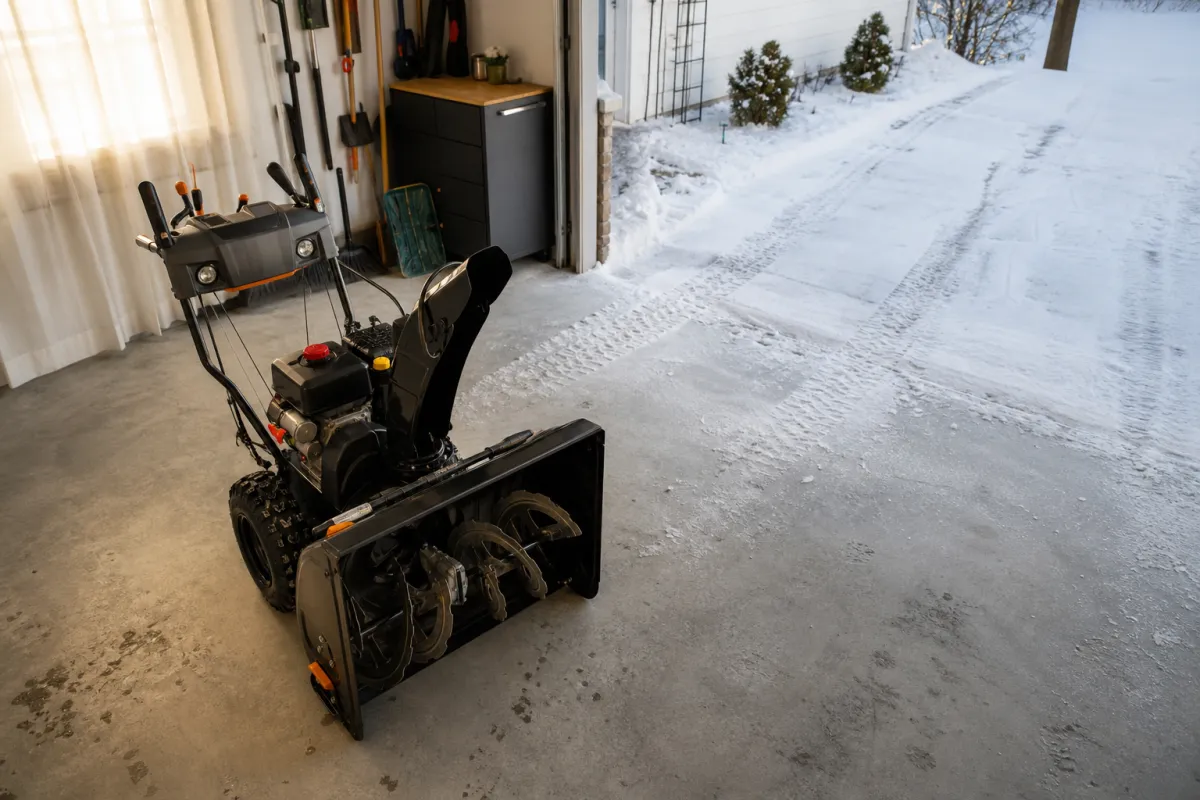
Wisconsin winters are famously harsh, with heavy snowfall, icy conditions, and frequent snowstorms that can bury your driveway and sidewalks under feet of snow. For homeowners in Appleton and the Fox Cities, having the right snow blower is more than a convenience—it’s a necessity that saves time, energy, and even your health. But with so many models on the market, how do you select the best snow blower for Wisconsin winters?
This guide breaks down everything you need to know to make an informed choice. From assessing your property’s needs and understanding snow blower types to safety tips and when to call in the pros, this article will help you invest wisely and stay safe during the cold months.
Why Choosing the Right Snow Blower Matters for Wisconsin Winters
Choosing the best snow blower for Wisconsin winters isn’t just about clearing snow—it’s about managing the unique challenges of the region’s heavy, wet snow and icy conditions. A machine that works well in a light northern snowfall won’t necessarily handle the dense snowfalls common here.
Heavy, wet snow can quickly clog or stall underpowered equipment, leaving you stuck shoveling by hand. Conversely, a powerful two-stage snow blower can clear large driveways and sidewalks efficiently but comes with a higher upfront cost and maintenance needs. Matching your snow blower to your property size, typical snowfall, and physical ability will save you frustration and reduce injury risk.
In Appleton and the Fox Cities, where snow accumulations often exceed 6 to 12 inches per storm, investing in the right snow blower can turn a grueling chore into a manageable task, helping you maintain safe walkways and driveways throughout the winter.
What to Check First Before Buying a Snow Blower
Before you start browsing models, consider these critical factors to find the right fit for your needs:
1. Size of Your Snow Clearing Area
Measure the total area you need to clear regularly—driveways, sidewalks, steps, and patios. Smaller areas under 1,000 square feet may be manageable with a single-stage blower or even a powerful electric model. Larger driveways or multiple walkways often require a two-stage or even three-stage snow blower to efficiently move heavy snow.
2. Typical Snowfall and Snow Type
Wisconsin’s snow can range from light and fluffy to wet and heavy. If your area tends to get heavy, wet snow or ice buildup, you’ll need a machine with a robust auger and powerful engine. Two-stage or three-stage snow blowers are designed to handle these conditions better than single-stage models.
3. Terrain and Surface Type
Is your driveway flat, or does it have slopes and uneven patches? Two-stage snow blowers with adjustable skid shoes and traction control handle slopes and gravel surfaces better than single-stage models, which are typically better suited for smooth concrete or asphalt.
4. Storage and Maintenance Considerations
Snow blowers require winter storage and periodic maintenance, including fuel stabilization and blade sharpening. Consider whether you have a sheltered space and the time to maintain your machine or if you’d prefer a lower-maintenance electric model.
Best Snow Blower Options for Wisconsin Winters: Features, Tradeoffs, and Recommendations
Choosing the best snow blower comes down to balancing power, size, ease of use, and budget. Here’s a breakdown of the main types and what works best in Appleton and the Fox Cities:
1. Single-Stage Snow Blowers: Best for Small Areas and Light Snow
Single-stage snow blowers use a single high-speed auger that both scoops and throws snow. They are lightweight, easy to maneuver, and typically electric or gas-powered.
- Pros: Affordable, compact, easy to store, and perfect for light snow (up to 8 inches).
- Cons: Not designed for heavy, wet snow or gravel surfaces; limited throwing distance.
- Ideal For: Small driveways, sidewalks, and decks with light to moderate snow.
Example: An electric single-stage blower with 15-amp power is sufficient for many Appleton homes with smaller clearing needs.
2. Two-Stage Snow Blowers: The Workhorse for Wisconsin Winters
Two-stage models use an auger to collect snow and a separate impeller to throw it far away. They handle heavy, wet snow and ice much better and can clear larger areas quickly.
- Pros: Powerful engines (often 208cc+), adjustable skid shoes for gravel or uneven surfaces, capable of handling deep snow (up to 24 inches).
- Cons: Heavier and more expensive; require more maintenance.
- Ideal For: Medium to large driveways, commercial properties, and frequent heavy snowfall.
Example: A 208cc gas-powered two-stage snow blower with electric start and heated grips is a solid choice for most Fox Cities homeowners.
3. Three-Stage Snow Blowers: For Extreme Snowfall and Large Properties
Three-stage snow blowers add an accelerator to the two-stage design, increasing snow intake and throwing distance. They are the most powerful and expensive option.
- Pros: Outstanding snow clearing capacity, ideal for deep, heavy snow, and large areas.
- Cons: Very heavy, high cost, more complex maintenance.
- Ideal For: Properties with large driveways or those prone to blizzard conditions.
Example: For Appleton homeowners with acreage or commercial properties, a three-stage blower with a 420cc engine can be a game-changer.
4. Electric Snow Blowers: Quiet and Low Maintenance, But Limited Power
Electric models come in corded and battery-powered versions. They are lighter and require less maintenance but are less powerful.
- Pros: Quiet operation, no gas or oil, low maintenance, environmentally friendly.
- Cons: Limited runtime (battery models), less effective in heavy or wet snow.
- Ideal For: Small areas, light snowfalls, and homeowners with storage or maintenance concerns.
Mistakes to Avoid When Buying and Using a Snow Blower
1. Underestimating Snow Volume and Type
Buying a single-stage blower for a property that routinely sees heavy wet snow or deep drifts will lead to frustration and frequent blockages. Always err on the side of more power if you are unsure.
2. Ignoring Safety Precautions
Snow blowers are powerful machines with sharp blades and moving parts. Never attempt to clear jams with your hands; always switch off the engine and use a clearing tool. Avoid carbon monoxide poisoning by never running gas-powered machines in enclosed spaces like garages.
3. Overlooking Maintenance Needs
Regular maintenance—such as checking belts, changing spark plugs, and stabilizing fuel—is essential for reliable winter operation. Neglecting these can lead to breakdowns mid-storm.
4. Choosing Based on Price Alone
Cheaper models may save money upfront but could fail in heavy snow or need replacement sooner. Invest in a reputable brand with good reviews and local service support.
When to Call a Pro for Snow Removal in Appleton and the Fox Cities
Even the best snow blower has limits. Here are scenarios when hiring a professional snow removal service is safer and more efficient:
- Large Snowstorms or Blizzard Conditions: When snow accumulations exceed 12 inches or icy buildup is severe, pros have the equipment and manpower to clear your property quickly.
- Physical Limitations or Health Risks: Snow blowing can be strenuous and risky for those with heart conditions or limited mobility. Professionals reduce injury risk.
- Roof Snow and Ice Dams: Removing heavy snow from roofs is dangerous and requires specialized equipment and training.
- Equipment Failure or Maintenance Issues: If your snow blower breaks down mid-winter and you lack repair skills, a pro can prevent dangerous delays.
Hiring local Appleton or Fox Cities snow removal experts ensures your property stays safe and accessible without the physical strain or risk of injury.
FAQ: Choosing and Using the Best Snow Blower for Wisconsin Winters
Q1: How much horsepower or engine size do I need for Wisconsin snow?
A: For heavy, wet snow common in Wisconsin, a gas engine with at least 200cc displacement is recommended. Larger engines (300cc+) are better for very large areas or deep snow.
Q2: Can I use an electric snow blower in heavy snow?
A: Electric snow blowers are best for light to moderate snow up to 8 inches. They struggle with heavy, wet snow and deep drifts, so gas-powered models are better for typical Wisconsin winters.
Q3: How often should I maintain my snow blower?
A: Before each season, inspect belts, spark plugs, and fuel. During winter, check for ice buildup and clean the chute regularly. After the season, drain fuel or add stabilizer.
Q4: Is it safe to use a snow blower on gravel driveways?
A: Two-stage and three-stage snow blowers with adjustable skid shoes are safe for gravel. Single-stage models are not recommended as the auger touches the ground and can throw gravel.
Q5: What safety gear should I wear when using a snow blower?
A: Wear sturdy boots, gloves, eye protection, and avoid loose clothing. Never operate the blower barefoot or while wearing scarves that could get caught.
Quick Reference Checklist: Choosing the Best Snow Blower for Wisconsin Winters
| Factor | Recommendation | Notes |
|---|---|---|
| Snow Type | Heavy, wet snow | Choose two-stage or three-stage |
| Area Size | Small (<1,000 sq ft) | Single-stage or electric |
| Medium to large (>1,000 sq ft) | Two-stage or three-stage | |
| Terrain | Flat, paved | Single-stage or two-stage |
| Gravel or uneven | Two-stage or three-stage | |
| Storage & Maintenance | Limited | Electric models preferred |
| Willing to maintain | Gas-powered models | |
| User Physical Ability | Limited | Consider professional services |
| Good strength and stamina | DIY with appropriate blower |
\n\n## Related Appleton winter-planning guides\n\nBefore buying equipment, compare the snow blower versus snow-plow service cost guide and review seasonal snow-removal contract costs in Wisconsin. If snow and ice are part of a larger property project, our heated driveway cost guide covers the alternative.
Reader notes
Questions & comments
Ask about timing, share what worked on your property, or add useful Fox Cities context.
Be the first to leave a note on this guide.