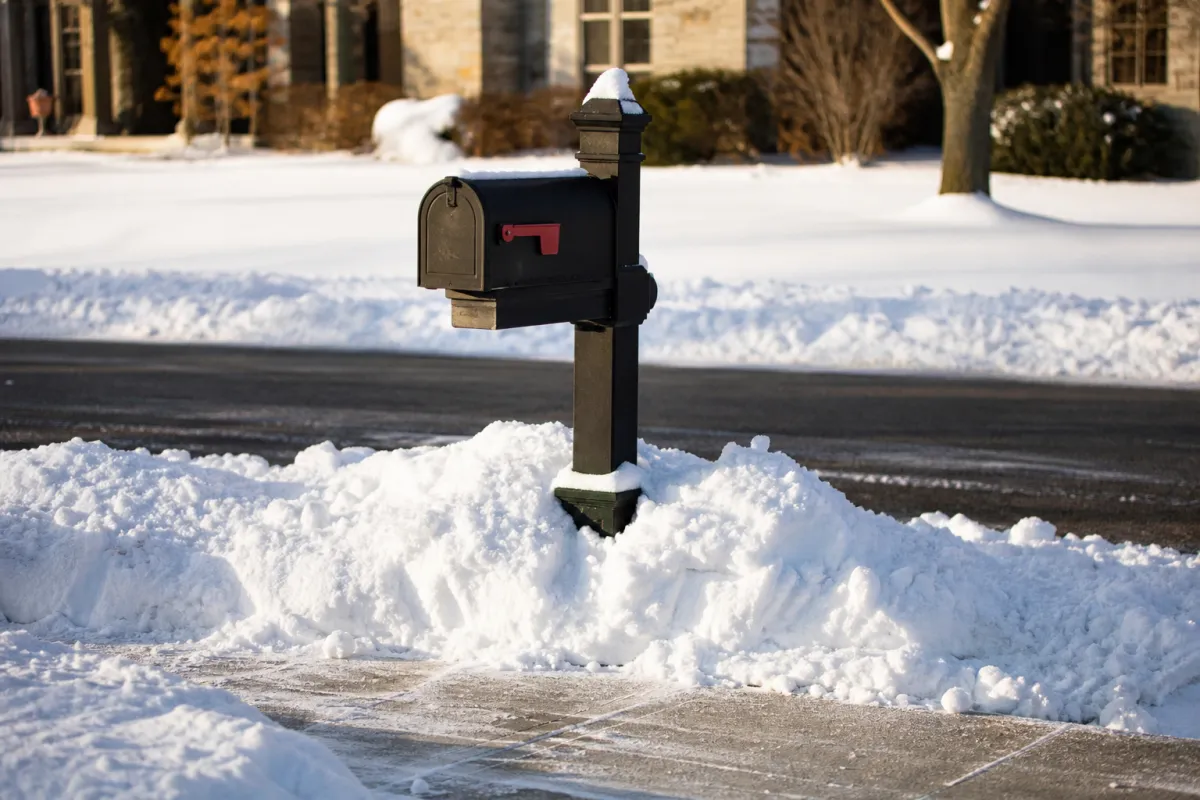
Winter in Appleton and the Fox Cities brings beautiful snow-covered streets and yards—but it also brings the responsibility of keeping sidewalks clear and safe. Knowing when to shovel your sidewalk in Appleton isn’t just about avoiding slips and falls; it’s also about complying with local ordinances and maintaining good neighborhood relations. This guide provides practical advice for homeowners on when to shovel, how to do it safely, what to avoid, and when to call in professional help.
Why Shoveling Your Sidewalk Matters in Appleton
Snow and ice on sidewalks create hazards for pedestrians, including neighbors, delivery personnel, and emergency responders. Appleton city ordinances require homeowners to clear snow and ice from sidewalks adjoining their property within a certain timeframe after a snowfall. Failure to do so can result in fines or liability if someone is injured due to an uncleared sidewalk.
Beyond legal obligations, shoveling promptly helps prevent ice buildup, which can be much harder and more dangerous to remove later. Clearing sidewalks also keeps your property accessible and maintains the aesthetic appeal of your home during winter.
In short, knowing when to shovel your sidewalk in Appleton helps you stay safe, avoid penalties, and contribute to community well-being.
What to Check First Before Shoveling
Before grabbing your shovel, it’s helpful to consider a few practical factors:
1. Review Local Ordinances and Guidelines
Appleton’s municipal code typically requires sidewalks to be shoveled within 24 hours after a snowfall ends. However, this can vary slightly depending on the severity of the storm or city advisories. Checking the city’s official website or contacting the public works department can clarify exact requirements.
2. Assess the Snowfall Amount and Weather Forecast
If the snow accumulation is light (less than 1–2 inches), shoveling soon after the snow stops is usually enough. For heavier snowfalls or ongoing snow, waiting until the storm ends before shoveling is often more efficient. Also, check the forecast for freezing rain or additional snow that could affect your timing.
3. Evaluate Your Physical Condition and Equipment
Shoveling snow is strenuous work. Make sure you have a sturdy shovel suited for your sidewalk’s surface and that you’re physically prepared to shovel safely. If you have a heart condition, respiratory issues, or mobility limitations, consider alternative snow removal methods or professional help.
Best Steps to Shovel Your Sidewalk in Appleton
Here’s a step-by-step approach to shoveling your sidewalk efficiently and safely:
Step 1: Plan Your Shoveling Timing
- Aim to start shoveling within 24 hours after the snow stops falling to comply with city regulations.
- If snow is still falling lightly, it may be better to wait until it ends to avoid multiple shoveling sessions.
- Avoid shoveling during the coldest part of the day (early morning or late evening) to reduce the risk of frostbite or slips.
Step 2: Dress Appropriately and Warm Up
- Wear layered clothing, waterproof boots with good traction, gloves, and a hat.
- Warm up your muscles with light stretching or a brisk walk before shoveling.
- Stay hydrated and take breaks to avoid overexertion.
Step 3: Use Proper Shoveling Techniques
- Use a shovel with an ergonomic handle to reduce back strain.
- Push snow to the sides rather than lifting it when possible.
- When lifting, bend your knees and lift with your legs, not your back.
- Avoid throwing snow onto the street or neighbors’ property to prevent conflicts and hazards.
Step 4: Apply Ice Melt or Sand if Needed
- After shoveling, apply a pet-safe ice melt or sand to reduce ice buildup and improve traction.
- Use ice melt sparingly as excessive amounts can damage concrete and nearby vegetation.
- Avoid applying ice melt before shoveling, as it can become less effective once covered by snow.
Step 5: Regularly Clear Snow During Extended Storms
- For long-lasting storms, clear snow every few hours if possible to prevent heavy accumulation.
- This also reduces the risk of ice dams forming on your roof or sidewalks.
Common Mistakes to Avoid When Shoveling Sidewalks
Winter snow removal can be physically demanding and sometimes frustrating. Here are mistakes many homeowners make and how to avoid them:
Mistake 1: Waiting Too Long to Shovel
Delaying snow removal allows snow to compact and ice to form, making it harder to clear and increasing slip hazards. It also risks violating city ordinances, which often have strict timelines.
Mistake 2: Overexerting Yourself
Shoveling snow is a common cause of winter heart attacks due to sudden strenuous activity in cold weather. Take frequent breaks, avoid heavy lifting beyond your capacity, and stop immediately if you feel chest pain, dizziness, or shortness of breath.
Mistake 3: Using Improper Tools
Using a shovel that’s too large, heavy, or poorly designed can increase injury risk. Invest in a lightweight, ergonomic snow shovel that fits your height and strength level.
Mistake 4: Neglecting Safety Gear
Slips on icy sidewalks are common. Wear boots with good traction and consider using ice cleats if your sidewalk is particularly slippery.
Mistake 5: Blocking Driveways or Streets with Snow
When piling snow, avoid pushing it into public roads or neighbors’ driveways. This can create hazards for vehicles and pedestrians and may violate local rules.
When to Call a Professional for Sidewalk Snow Removal
While many homeowners can manage sidewalk shoveling, certain situations call for professional help:
1. Large Snowstorms or Ice Conditions
If a heavy snowstorm dumps over 8 inches or creates thick ice, professional snow removal services have the equipment and expertise to clear sidewalks safely and thoroughly.
2. Physical Limitations or Health Concerns
If you have heart problems, arthritis, or other conditions that make shoveling dangerous, hiring a pro is a wise choice to avoid injury.
3. Time Constraints or Mobility Issues
Busy schedules or mobility challenges may prevent timely snow removal. Professionals can ensure your sidewalks stay clear without your direct involvement.
4. Commercial or Multi-Unit Properties
For apartment buildings, businesses, or large properties, professional snow removal ensures compliance with city codes and reduces liability risks.
FAQ: Shoveling Sidewalks in Appleton
Q1: How soon after a snowfall must I shovel my sidewalk in Appleton?
A1: Appleton typically requires sidewalks to be cleared within 24 hours after snow stops falling. Check with the city for any updates or specific storm conditions.
Q2: Can I use a snow blower on my sidewalk?
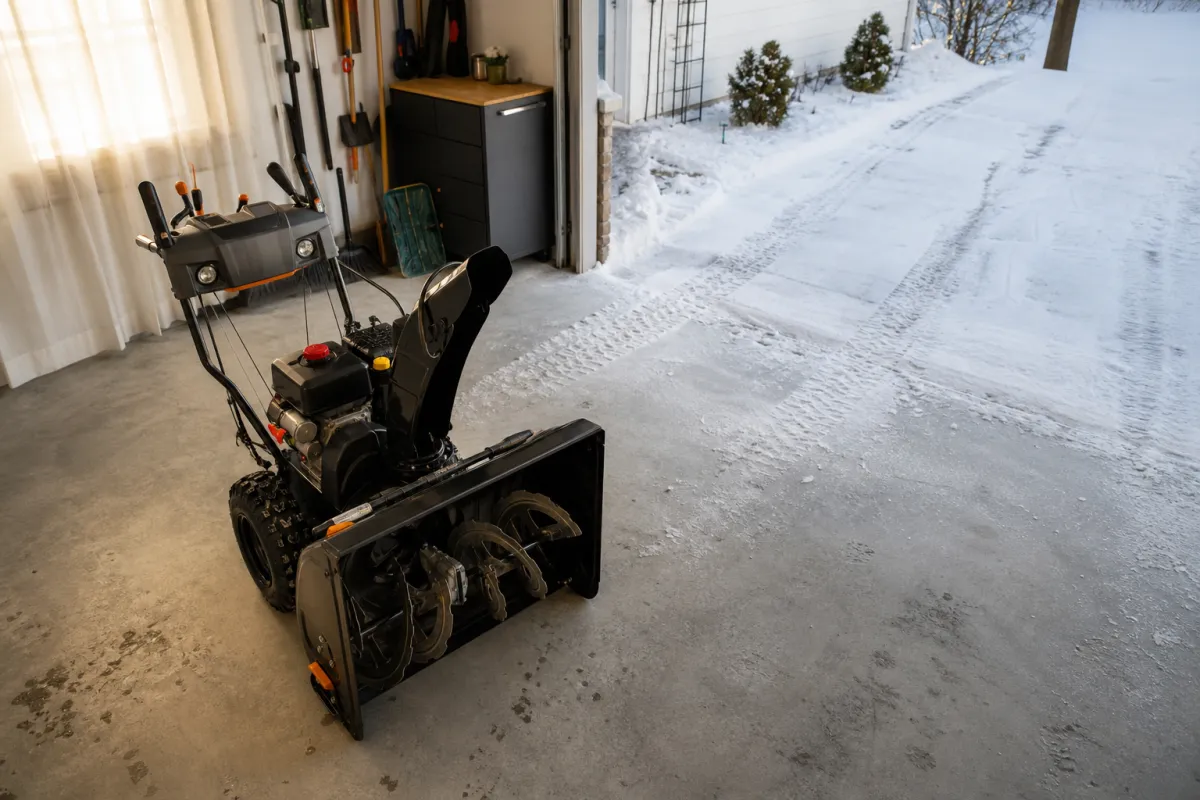
A2: Yes, snow blowers can be used, but be cautious of nearby landscaping and avoid blowing snow onto streets or neighbors’ property. Never run a snow blower in enclosed spaces due to carbon monoxide risk.
Q3: What if I fail to shovel my sidewalk on time?
A3: You may receive a warning or fine from the city, and if someone slips and is injured, you could be held liable. Prompt shoveling reduces these risks.
Q4: Is it better to shovel snow immediately or wait for it to stop?
A4: Light snow can be shoveled as it accumulates, but for heavier or ongoing snow, it’s often more efficient to wait until the storm ends to avoid repeated work.
Q5: How do I prevent ice dams on my roof related to snow on sidewalks?
A5: Regularly clear snow from the roof edges and ensure proper attic insulation and ventilation. Ice dams on roofs are a separate but related winter hazard.
Quick Reference Checklist for Appleton Sidewalk Snow Removal
| Task | Recommended Timing | Notes |
|---|---|---|
| Check city snow ordinance | Before winter season | Appleton requires clearing within 24 hours after snowfall ends |
| Monitor snowfall and forecast | During winter storms | Plan shoveling when snow stops or lightens |
| Dress for safety | Before shoveling | Layered clothing, waterproof boots, gloves |
| Use proper shovel and technique | During shoveling | Push snow, lift with legs, avoid back strain |
| Apply ice melt or sand | After shoveling | Use pet-safe products sparingly |
| Avoid blocking roads/driveways | While piling snow | Keep snow off public and neighbors’ property |
| Consider professional help | For heavy snow, health limits, or time constraints | Safer and more efficient |
Reader notes
Questions & comments
Ask about timing, share what worked on your property, or add useful Fox Cities context.
Be the first to leave a note on this guide.