Winter in Wisconsin, especially in Appleton and the Fox Cities, brings heavy snowfalls and icy conditions that can make driveway maintenance a daily chore. Heated driveways offer a tempting solution—melting snow and ice automatically to keep your driveway clear and safe. But before you invest in this high-tech convenience, understanding the heated driveway cost in Wisconsin and the factors that influence it is critical. This guide will help you decide if a heated driveway is right for your home, what to expect in terms of costs, and how to proceed safely and smartly.
Why Heated Driveways Matter in Wisconsin Winters
Snow and ice buildup on driveways is more than just an inconvenience. It can be a serious safety hazard, increasing the risk of slips and falls for your family and visitors. For homeowners in Appleton and the Fox Cities, snow removal is a time-consuming and physically demanding task, often requiring shoveling in subzero temperatures or operating noisy snow blowers.
A heated driveway system automatically melts snow and ice, reducing the need for manual snow removal and the use of chemical de-icers that can harm concrete and nearby landscaping. This convenience can save time and reduce winter-related injuries. However, heated driveways come with a significant upfront investment and ongoing operating costs, so understanding the financial and practical tradeoffs is essential.
What to Check First Before Installing a Heated Driveway
Before you get into the specifics of heated driveway cost in Wisconsin, there are several important considerations and checks to make:
1. Assess Your Driveway Size and Layout
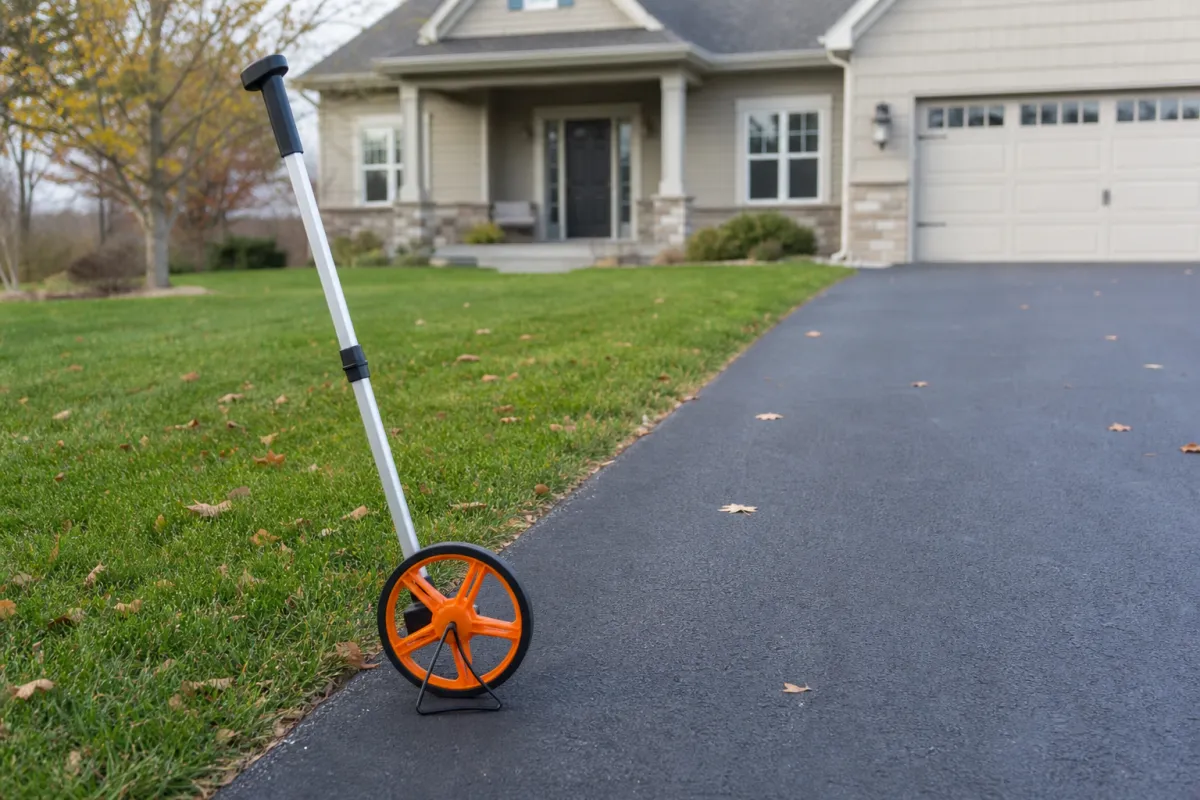
The cost of installing a heated driveway largely depends on the square footage. Typical residential driveways in Appleton range from 500 to 1,000 square feet, but larger or irregularly shaped driveways will cost more. Also, consider whether you want the entire driveway heated or just key areas like the main driving lanes and walkways.
2. Evaluate Your Existing Driveway Material
Heated driveway systems are compatible with concrete, asphalt, and pavers, but installation methods and costs vary. Concrete driveways often require embedding heating cables during the pour, which is easiest during new construction or major repair. Asphalt systems can be retrofitted with specialized heating mats but may require surface milling. Pavers require a different approach involving heating mats under the pavers, often increasing complexity and cost.
3. Check Your Electrical System Capacity
Most heated driveway systems are electric and require a dedicated circuit with sufficient amperage to power the heating elements. Wisconsin homes, especially older ones, may need electrical panel upgrades to handle the additional load safely. This can add to the overall cost and complexity.
4. Understand Local Climate and Snowfall Patterns
Appleton and the Fox Cities typically see 40–50 inches of snow annually with frequent freeze-thaw cycles. A heated driveway can be a worthwhile investment here, but if your property is on a hill or shaded by trees, snow may accumulate differently, affecting system performance and energy use.
Best Options and Installation Steps for Heated Driveways in Wisconsin
When considering heated driveway cost in Wisconsin, it’s important to understand the main system types and installation steps to make an informed choice.
1. Electric Heating Systems
How it works: Electric cables or mats are embedded beneath the driveway surface. When activated, they generate heat to melt snow and ice.
Cost: Installation typically ranges from $12 to $20 per square foot, including materials and labor. For a 600-square-foot driveway, expect $7,200 to $12,000 upfront. Operating costs vary but average $100 to $300 per winter season depending on usage and electricity rates.
Pros: Precise control with thermostats and snow sensors, easy to retrofit on existing driveways (especially asphalt or pavers), low maintenance.
Cons: Higher operating costs due to electricity use, requires electrical system upgrades if capacity is insufficient.
2. Hydronic (Hot Water) Systems
How it works: Heated water circulates through tubing embedded in the driveway slab, powered by a boiler or water heater.
Cost: More expensive upfront, averaging $15 to $25 per square foot. For a 600-square-foot driveway, costs can reach $9,000 to $15,000 or more. Operating costs depend on fuel type (natural gas, propane, or oil) and efficiency.
Pros: Lower operating costs than electric in some cases, especially with efficient boilers; can be integrated with home heating systems.
Cons: Complex installation requiring plumbing and boiler setup, higher upfront costs, more maintenance.
3. Installation Steps Overview
- Site Evaluation: A professional inspects your driveway, electrical panel, and soil conditions.
- System Design: Choose electric or hydronic based on budget, driveway type, and local energy costs.
- Preparation: Existing driveway may require milling or removal if retrofitting.
- Installation: Embed heating elements, connect to power or boiler, install control systems.
- Testing and Calibration: Ensure sensors and thermostats operate correctly.
- Final Surface Restoration: Pour concrete, lay asphalt, or reset pavers.
Common Mistakes to Avoid When Planning Heated Driveway Installation
Many homeowners underestimate the complexity and cost of heated driveway systems. Here are some pitfalls to watch for:
1. Ignoring Electrical or Fuel System Capacity
Installing a heated driveway without verifying your home’s electrical panel or fuel system capacity can lead to costly upgrades or unsafe conditions. Always have a licensed electrician or HVAC professional evaluate your home first.
2. Choosing the Cheapest Option Without Considering Operating Costs
Electric systems may have lower upfront costs but higher utility bills, while hydronic systems can be expensive initially but cheaper to run. Calculate total cost of ownership over 10 years, not just installation price.
3. Skipping Professional Installation
DIY installation is not recommended due to the technical complexity, safety risks, and warranty issues. Improper installation can cause system failure, electrical hazards, or damage to your driveway.
4. Overlooking Drainage and Slope
Poor drainage or improper driveway slope can cause water to pool or freeze despite heating. Address drainage issues before installation to maximize system effectiveness.
5. Failing to Plan for Maintenance
Heated driveways require occasional inspections and maintenance to ensure sensors, wiring, and controls function properly. Neglecting maintenance can shorten system life and increase repair costs.
When to Call a Pro for Heated Driveway Installation in Appleton and the Fox Cities
Given the technical and safety considerations, professional installation is strongly recommended for heated driveways. Here are clear signs you should engage a licensed contractor:
- Electrical upgrades are needed: If your home’s electrical panel cannot support the additional load, a licensed electrician must perform upgrades to code.
- Your driveway is asphalt or pavers: Retrofitting heating elements into these materials requires specialized knowledge and equipment.
- You want hydronic systems: Plumbing, boiler installation, and system integration require HVAC and plumbing expertise.
- You want a warranty and insurance coverage: Professional installation ensures warranties and liability insurance protect your investment.
- You want system design and control optimization: Professionals can recommend the best heating zones, sensor placement, and controls tailored to your property.
A reputable Appleton or Fox Cities contractor will provide a detailed estimate, explain cost breakdowns, and offer maintenance plans to keep your heated driveway running smoothly for years.
FAQ About Heated Driveway Cost in Wisconsin
Q1: How much does it cost annually to run a heated driveway in Wisconsin?
A: Operating costs depend on system type, driveway size, and usage. Electric systems typically cost $100–$300 per winter season, while hydronic systems vary based on fuel prices but can be lower.
Q2: Can I install a heated driveway on an existing concrete driveway?
A: Retrofitting electric heating cables into existing concrete requires removing and repouring the slab, which can be costly. Asphalt and paver driveways offer easier retrofit options with heating mats.
Q3: Are heated driveways environmentally friendly?
A: Heated driveways reduce the need for chemical de-icers and manual snow removal but consume energy. Hydronic systems using high-efficiency boilers or renewable fuels can lower environmental impact.
Q4: How long does installation take?
A: Installation typically takes 3–7 days depending on driveway size, system type, and weather conditions.
Q5: What maintenance does a heated driveway require?
A: Annual inspections of electrical connections, sensors, and controls are recommended. Hydronic systems require boiler maintenance. Prompt repairs of any damage extend system life.
Quick Reference Checklist: Heated Driveway Installation Considerations
| Step/Consideration | Notes & Tips |
|---|---|
| Driveway size & shape | Larger = higher cost; consider partial heating zones |
| Driveway material | Concrete, asphalt, or pavers affect system choice & cost |
| Electrical panel capacity | Verify with electrician before installation |
| System type | Electric (cheaper upfront), Hydronic (lower operating cost) |
| Drainage & slope | Ensure proper drainage to avoid ice buildup |
| Professional installation | Recommended for safety, warranty, and system longevity |
| Operating costs | Factor into long-term budget, not just installation cost |
| Maintenance | Annual inspections and prompt repairs |
Final Thoughts on Heated Driveway Cost in Wisconsin
For Appleton and Fox Cities homeowners, a heated driveway can be a game-changer for winter safety and convenience. However, the investment is substantial and requires careful planning. Understanding the heated driveway cost in Wisconsin means considering upfront installation expenses, operating costs, driveway material, electrical capacity, and the value of professional installation.
If you regularly battle heavy snow and ice, and want to reduce physical strain and chemical use, a heated driveway may be worth the cost. But always start with a thorough assessment of your property and consult experienced local contractors to get accurate estimates and system designs tailored to Wisconsin winters.
\n\n## Related Appleton and Fox Cities planning guides\n\nIf you are comparing winter options, see our snow blower guide for Wisconsin winters and snow blower versus snow-plow service cost comparison. For broader property budgeting, compare the lawn care cost guide for Appleton.
Cost and verification note
Heated-driveway figures are planning estimates, not contractor quotes. Total project cost depends on driveway area, surface replacement, heating method, controls, electrical capacity, drainage, insulation, excavation, and local labor. Ask for a written scope that separates installation, controls, electrical upgrades, surface work, operating assumptions, warranty, and maintenance.
Before committing
- compare electric and hydronic designs for the actual driveway area;
- confirm whether the existing surface must be removed and replaced;
- ask how snow sensors and controls are positioned and maintained;
- estimate operating cost using current utility rates rather than a timeless national average;
- obtain multiple local bids and verify contractor credentials, insurance, references, and warranty terms.
This guide is not engineering or electrical advice. A qualified local professional should confirm load, drainage, controls, and code requirements for the property.
Reader notes
Questions & comments
Ask about timing, share what worked on your property, or add useful Fox Cities context.
Be the first to leave a note on this guide.