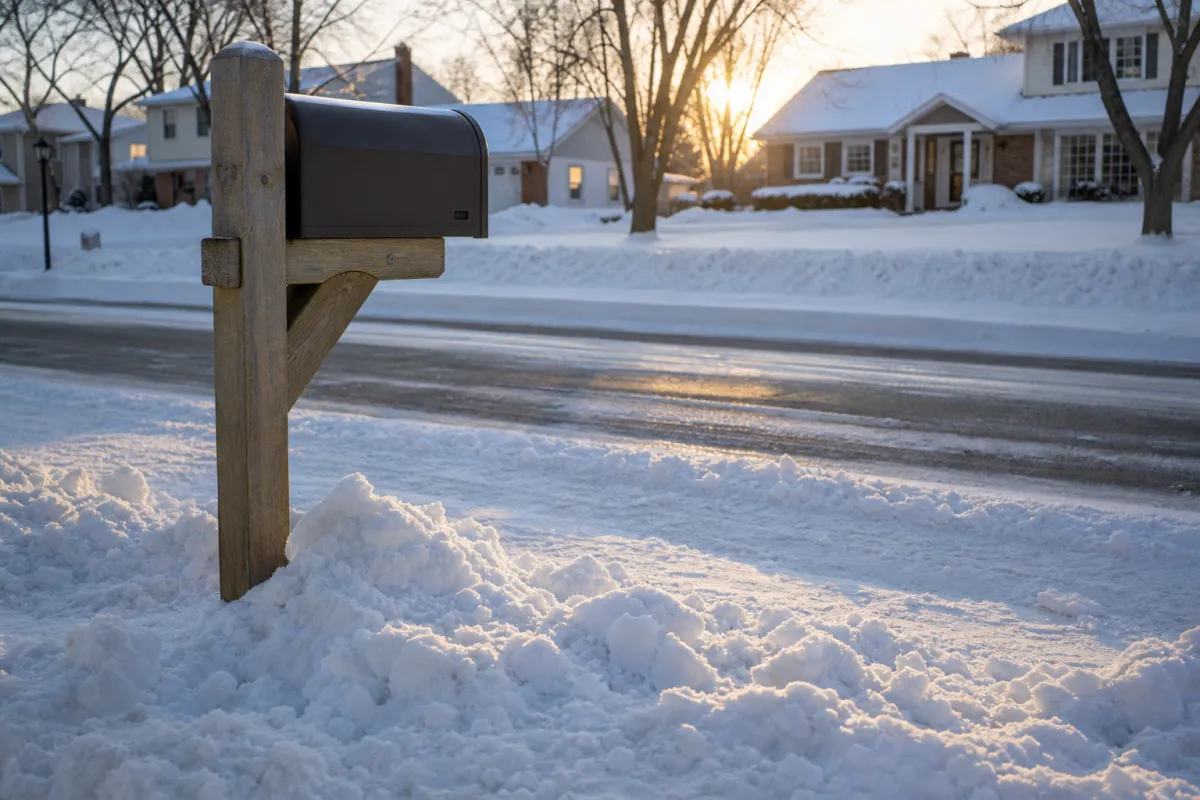
Winter in Wisconsin means snow—often plenty of it. For homeowners in Appleton and the Fox Cities, managing snow on sidewalks is not just a matter of convenience but also of safety and legal responsibility. Knowing who is responsible for sidewalk snow removal in Wisconsin can help you avoid fines, keep your neighbors safe, and protect yourself from liability.
This guide breaks down the essentials: from understanding the legal framework to practical steps for efficient snow removal, common pitfalls to avoid, and when you should consider hiring a professional service.
Quick Answer: Why Knowing Sidewalk Snow Removal Responsibility Matters
In most Wisconsin municipalities, including Appleton and the Fox Cities, property owners are responsible for clearing sidewalks adjacent to their property. This means if you own a home or business with a sidewalk in front, you generally must remove snow and ice within a reasonable timeframe after a snowfall.
The reasons are simple but important:
- Safety: Snow and ice on sidewalks create slip-and-fall hazards for pedestrians, including children, seniors, and people with disabilities.
- Legal Liability: Failure to clear sidewalks can lead to fines from the city and potential civil liability if someone is injured on your property.
- Community Courtesy: Keeping sidewalks clear helps maintain neighborhood accessibility and goodwill.
The exact timing and standards for removal vary by city ordinance, so it’s essential to check local rules. But broadly, the responsibility falls on the adjacent property owner, not the city or county.
What to Check First: Understanding Your Local Ordinance and Property Boundaries
Before you grab the shovel, take these first steps:
1. Confirm Your Local Sidewalk Snow Removal Rules
Appleton and surrounding Fox Cities municipalities have specific ordinances that outline when and how sidewalks must be cleared. For example:
- Timeframe: Many cities require snow and ice removal within 24 hours after a snowfall ends.
- Width and Condition: Sidewalks may need to be cleared to a minimum width (often 36-48 inches) and kept free of ice or treated with sand or salt.
- Penalties: Failure to comply can result in fines or even the city hiring contractors to clear the sidewalk and billing the property owner.
Visit your city’s official website or call the local public works department to get the most accurate and up-to-date information. Appleton’s city website offers clear guidelines and snow removal policies specific to residential and commercial properties.
2. Identify Which Sidewalks You Are Responsible For
In Wisconsin, responsibility generally applies to sidewalks directly abutting your property. This includes:
- Sidewalks in front of your home or business.
- Sidewalks along any side of your property adjacent to public roads.
If your property borders a corner lot or irregularly shaped parcel, confirm exactly which sidewalks fall under your care. Sometimes, alleys or private walkways have different rules.
3. Assess Your Physical Ability and Equipment
Snow removal can be physically demanding and sometimes hazardous, especially during heavy snowfalls or icy conditions. Before committing to DIY snow clearing:
- Evaluate your health and physical capacity to shovel safely.
- Check if you have the right tools: a sturdy snow shovel, ice melt or sand, and possibly a snow blower.
- Consider the typical snowfall amounts in Appleton and Fox Cities and the time you can realistically dedicate.
Best Options and Steps for Sidewalk Snow Removal in Appleton and the Fox Cities
Once you know your responsibilities and have assessed your situation, here are practical, step-by-step options to keep your sidewalks safe and code-compliant.
1. Shoveling by Hand: Pros, Cons, and Safety Tips
Hand shoveling is the most common method for homeowners. It’s inexpensive and effective for light to moderate snowfalls.
- Pros: Low cost, immediate control of snow clearing, no fuel or electricity needed.
- Cons: Physically strenuous, time-consuming, risk of injury if done improperly.
Safety Tips:
- Warm up your muscles before shoveling.
- Use ergonomic shovels to reduce strain.
- Take frequent breaks, especially in cold weather.
- Avoid shoveling heavy, wet snow all at once; remove snow in layers if possible.
- Stay hydrated and listen to your body—stop if you feel chest pain or excessive fatigue.
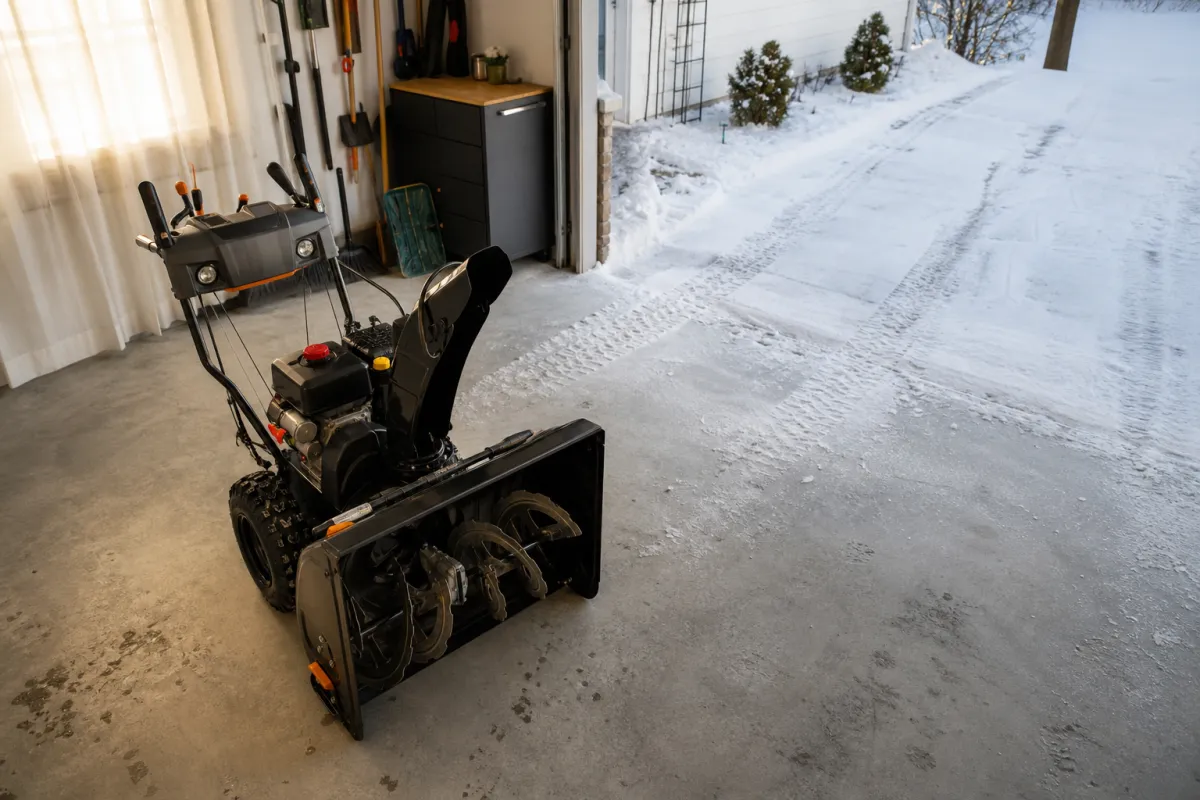
2. Using a Snow Blower: Efficiency and Cautions
For larger sidewalks or frequent snowfalls, a snow blower can save time and effort.
- Pros: Fast snow removal, less physical strain, effective on heavy snow.
- Cons: Cost of purchase or rental, maintenance, noise, and potential carbon monoxide risk.
Safety Considerations:
- Never run a snow blower in enclosed spaces (garages, sheds) due to carbon monoxide risk.
- Keep hands and feet away from moving parts.
- Use proper fuel storage and handling to prevent fire hazards.
- Follow the manufacturer’s instructions carefully.
3. Applying Ice Melt or Sand: Traction and Prevention
After snow removal, icy patches can remain. Applying ice melt or sand improves traction and reduces slip hazards.
- Use ice melt products appropriate for sidewalks and local environmental conditions—many products are safe for concrete and nearby vegetation.
- Sand provides traction without melting ice but does not remove ice itself.
- Avoid excessive use of salt-based products near landscaping or pets.
4. Creating a Snow Removal Schedule and Backup Plan
- Monitor weather forecasts regularly during winter months.
- Plan snow removal soon after snow stops falling to comply with local ordinances.
- If you are away or unable to shovel, arrange for a neighbor, family member, or professional service to clear your sidewalks.
Mistakes to Avoid When Handling Sidewalk Snow Removal
Many homeowners unintentionally make mistakes that can increase risk, cost, or legal exposure.
1. Waiting Too Long to Clear Snow
Delaying snow removal can lead to icy buildup, harder-to-remove snow, and fines from local authorities. Most ordinances require removal within 24 hours or less.
2. Ignoring Ice or Using Unsafe Methods
Simply shoveling snow but leaving ice patches can cause slip hazards. Avoid using hot water to melt ice, as it can refreeze and create more dangerous conditions.
3. Overexerting Yourself
Snow shoveling is a common cause of heart attacks in winter. Stop immediately if you experience chest pain, dizziness, or shortness of breath.
4. Blocking Driveways or Streets with Removed Snow
Be mindful where you pile snow. Do not block public roads, fire hydrants, or neighbors’ driveways. Improper snow dumping can lead to complaints or fines.
5. Neglecting to Check Local Rules
Assuming the city or county will clear your sidewalk can lead to penalties. Always verify your municipality’s expectations.
When to Call a Professional Snow Removal Service
While DIY snow removal is feasible for many, there are situations where hiring a professional makes sense:
1. Large Properties or Commercial Sidewalks
If you have extensive sidewalks or multiple entrances, professional plowing and de-icing services can save time and ensure compliance.
2. Physical Limitations or Health Concerns
If you have mobility issues, heart conditions, or other health risks, entrusting snow removal to a pro is safer.
3. Heavy or Frequent Snowfalls
During prolonged winter storms, keeping up with snow removal can be overwhelming. Professionals have equipment and crews to manage large volumes quickly.
4. Liability and Insurance Considerations
Some homeowners prefer professionals to reduce liability risk. Licensed contractors carry insurance that can protect you if accidents occur.
5. Emergency or Last-Minute Snow Removal
If snow falls overnight or while you are away, professional services can respond promptly to keep sidewalks clear.
FAQ About Sidewalk Snow Removal Responsibility in Wisconsin
Q1: How soon after a snowfall must I clear my sidewalk in Appleton?
Most ordinances require snow and ice removal within 24 hours after the snow stops falling. Check your local municipal code to confirm exact timing.
Q2: What if I rent my home—am I responsible for sidewalk snow removal?
Generally, the property owner is responsible, but many leases require tenants to remove snow. Review your lease agreement and clarify responsibilities.
Q3: Can I use salt on my sidewalk without harming my lawn or pets?
Use pet-safe and environmentally friendly ice melt products. Avoid excessive salt, which can damage grass and plants near sidewalks.
Q4: What happens if I don’t clear my sidewalk?
You could receive a citation or fine from your city. Additionally, you may be liable if someone slips and is injured on your property.
Q5: Does the city clear sidewalks in Appleton?
The city typically clears sidewalks on public property and main pedestrian routes but expects property owners to clear sidewalks adjacent to their properties.
Quick-Reference Checklist: Sidewalk Snow Removal for Appleton and Fox Cities Homeowners
| Step | Action Item | Notes |
|---|---|---|
| 1. Check local ordinance | Confirm removal timeframe and requirements | Appleton city website or public works office |
| 2. Identify responsible sidewalks | Determine which sidewalks are yours to clear | Usually adjacent to your property |
| 3. Prepare equipment | Shovel, snow blower, ice melt, sand | Ensure tools are in good condition |
| 4. Remove snow promptly | Clear snow within required timeframe | Aim for 24 hours after snowfall |
| 5. Treat icy patches | Apply ice melt or sand for traction | Use pet and lawn-safe products |
| 6. Avoid blocking areas | Don’t pile snow on roads, driveways, or hydrants | Prevent fines and neighbor disputes |
| 7. Monitor weather | Stay informed for timely snow removal | Use local weather apps or news |
| 8. Consider professional help | Hire pros if physical risk or large area | Licensed, insured contractors |
Local-source and jurisdiction note
This is a practical research guide, not legal advice. Snow-removal duties, deadlines, fines, and enforcement can vary by municipality, street classification, and current local ordinance. Appleton homeowners should verify the current rule with the City of Appleton's official Public Works or municipal-code pages before relying on a deadline or penalty. Residents of Neenah, Menasha, Grand Chute, Kaukauna, and other Fox Cities communities should check their own municipality rather than assume Appleton rules apply.
What to verify before acting
- the current municipality and property location;
- the official snow-removal deadline after a snowfall;
- whether the rule applies to the owner, occupant, landlord, or another responsible party;
- acceptable placement of snow and whether pushing it into a street is prohibited;
- the current contact channel for questions or enforcement.
We intentionally do not present an unverified fine amount or deadline as universal. Recheck the official municipal source when the season begins and whenever the city updates its code.
Reader notes
Questions & comments
Ask about timing, share what worked on your property, or add useful Fox Cities context.
Be the first to leave a note on this guide.