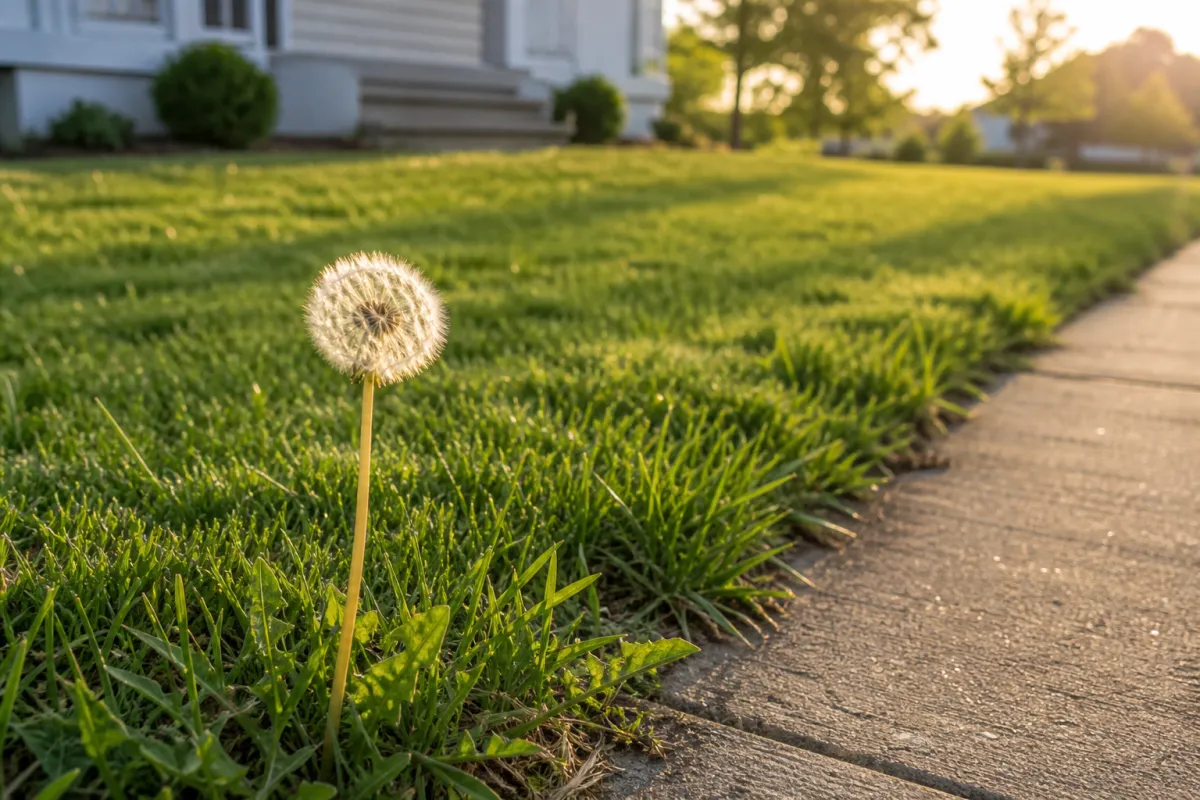
Weeds are more than just an eyesore; they compete with your lawn and garden plants for nutrients, water, and sunlight, potentially damaging your property’s curb appeal and value. If you’re a homeowner in Appleton or the Fox Cities area, you’ve likely wondered about the cost of professional weed control services and whether it’s worth the investment. This guide breaks down the factors influencing weed control service cost in Wisconsin, offers practical advice on managing weeds safely and effectively, and helps you decide when to call in the pros.
Why Understanding Weed Control Service Cost in Wisconsin Matters
Weed control is a critical part of maintaining a healthy, attractive lawn in Wisconsin’s variable climate. The cost of weed control services can vary widely depending on factors such as property size, weed severity, chosen treatment methods, and seasonal timing. Understanding these costs upfront helps you budget appropriately and avoid surprise expenses.
Additionally, knowing what goes into weed control services empowers you to make informed decisions about DIY approaches versus professional treatments. In Appleton and the Fox Cities, where summers are warm and winters bring snow cover, timing and method selection are crucial to effective weed management.
What to Check First Before Hiring a Weed Control Service
Before contacting a weed control company, homeowners should perform a few key assessments:
1. Identify the Type and Extent of Weed Infestation
Not all weeds are created equal. Some common Wisconsin lawn weeds include dandelions, crabgrass, clover, and chickweed. Different weeds require different treatment methods—broadleaf weeds often respond well to selective herbicides, while grassy weeds might need other approaches.
Walk your yard and note which weeds dominate and how widespread they are. This initial assessment can help weed control professionals provide more accurate estimates and treatment plans.
2. Assess Lawn Health and Soil Conditions
A healthy lawn can better resist weed invasion. Check your grass type (Kentucky bluegrass, fescue, ryegrass are common in Wisconsin) and its overall health. Thin or patchy lawns are more vulnerable to weeds.
Soil condition, including pH and nutrient levels, also affects weed growth. Some services include soil testing, which can inform fertilization and weed control strategies.
3. Consider Your Lawn Care Routine and Goals
Are you looking for a one-time weed treatment or ongoing lawn maintenance? Do you prefer organic or chemical controls? Your lawn care goals and preferences will influence the cost and type of services offered.
Best Options and Steps for Weed Control in Wisconsin
Here are the most common and effective weed control approaches, along with their tradeoffs and typical cost considerations:
1. Spot Treatment with Herbicides
What it is: Targeted application of herbicides to affected areas.
Pros: Lower cost if infestation is limited; reduces chemical use.
Cons: Labor-intensive and may miss some weeds; requires careful application.
Cost: Typically $50–$150 per treatment for small to medium yards.
2. Lawn-Wide Pre-Emergent and Post-Emergent Herbicide Programs
What it is: Scheduled applications of herbicides to prevent weed seeds from germinating (pre-emergent) and to kill existing weeds (post-emergent).
Pros: More comprehensive control; reduces weed seed bank long term.
Cons: Requires multiple visits; chemical use may raise environmental concerns.
Cost: $200–$500 per season depending on lawn size and program frequency.
3. Integrated Weed Management (IWM)
What it is: Combines cultural practices (mowing, aeration, fertilization), mechanical removal, and selective herbicide use.
Pros: Sustainable, reduces herbicide reliance, improves overall lawn health.
Cons: Requires homeowner participation and longer-term commitment.
Cost: Varies widely; initial consultation fees $100–$200, ongoing maintenance $300+ per season.
4. Organic and Natural Weed Control
What it is: Use of natural herbicides, manual removal, and soil improvement.
Pros: Environmentally friendly; safer for children and pets.
Cons: Often less effective on severe infestations; may require repeated treatments.
Cost: Can be comparable to conventional methods, depending on materials and labor.
Mistakes to Avoid When Planning Weed Control
1. Underestimating the Severity of the Weed Problem
Ignoring weeds or delaying treatment can allow them to spread, increasing the cost and effort needed later. Early intervention saves money and lawn health.
2. Overusing Herbicides Without Proper Knowledge
Applying herbicides incorrectly can harm your lawn, contaminate soil and water, and pose health risks. Follow label instructions carefully or hire a professional.
3. Choosing Cheapest Services Without Verifying Quality
Low-cost services may cut corners, use inferior products, or provide insufficient treatment plans. Research local providers, read reviews, and ask for references.
4. Neglecting Lawn Maintenance Between Treatments
Weed control is most effective when combined with proper mowing height, watering, and fertilization. Skipping these basics undermines any weed control effort.
When to Call a Professional Weed Control Service
While some homeowners successfully manage minor weed issues themselves, there are situations where professional help is advisable:
- Large or Severe Infestations: When weeds cover a significant portion of your lawn or include invasive species difficult to control manually.
- Complex Lawn Conditions: If you have mixed grass types, sensitive plants, or drainage issues that complicate treatment.
- Time Constraints or Physical Limitations: Weed control can be labor-intensive and may involve handling chemicals safely.
- Desire for Long-Term Management: Professionals can provide integrated programs tailored to your lawn’s needs and local conditions.
- Safety Concerns: Proper herbicide application requires knowledge of safety protocols to prevent exposure and environmental damage.
FAQ About Weed Control Service Cost in Wisconsin
Q1: How often should I have weed control treatments done?
Most lawn weed control programs in Wisconsin recommend treatments 3–4 times per growing season, typically starting in early spring and continuing through late summer.
Q2: Are there any eco-friendly weed control options?
Yes, many companies offer organic or natural weed control methods, but these may require more frequent applications and manual work.
Q3: Can I combine weed control with other lawn services?
Absolutely. Many providers bundle weed control with fertilization, aeration, and pest control for comprehensive lawn care.
Q4: How much does a typical weed control service cost for an average Appleton lawn?
For a 5,000 sq. ft. lawn, expect to pay between $200 and $400 per season for a standard weed control program.
Q5: Is DIY weed control cost-effective compared to professional services?
DIY can save money initially but may be less effective or risk lawn damage if not done properly. Professionals have access to stronger products and expertise.
Quick-Reference Weed Control Service Cost Checklist for Wisconsin Homeowners
| Service Type | Typical Cost Range | Frequency | Pros | Cons |
|---|---|---|---|---|
| Spot Treatment | $50–$150 per treatment | As needed | Cost-effective for small areas | Labor-intensive, limited scope |
| Lawn-Wide Herbicide Program | $200–$500 per season | 3–4 times per season | Comprehensive control | Chemical use concerns |
| Integrated Weed Management (IWM) | $300+ per season | Seasonal | Sustainable, improves lawn health | Requires commitment |
| Organic/Natural Control | Varies (similar to above) | Frequent | Safe, eco-friendly | May need repeated treatments |

Reader notes
Questions & comments
Ask about timing, share what worked on your property, or add useful Fox Cities context.
Be the first to leave a note on this guide.