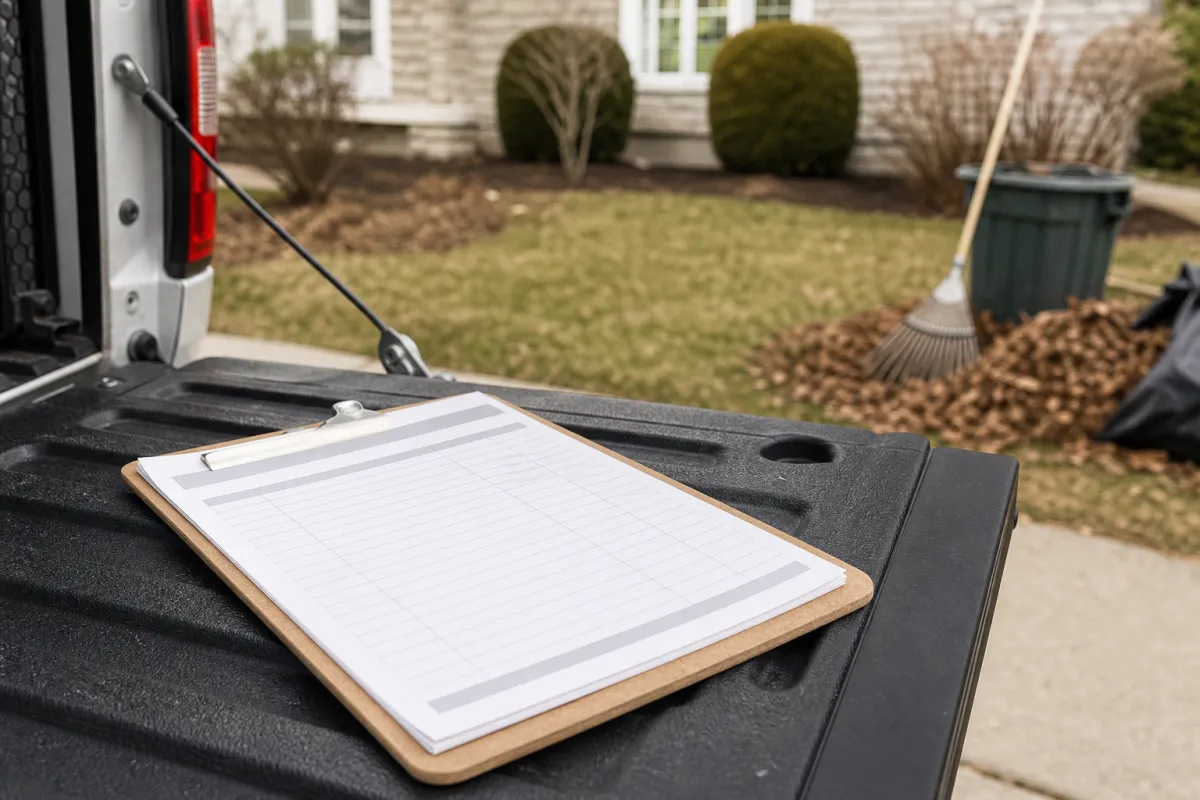
Spring in Appleton and the Fox Cities signals a fresh start for your yard after a long Wisconsin winter. However, the thaw also reveals the extent of winter’s wear and tear on your lawn, garden beds, trees, and hardscaping. Understanding spring yard cleanup cost Appleton homeowners face is essential for budgeting, planning, and deciding whether to DIY or hire professional help. This guide walks you through the key considerations, common pitfalls, and practical next steps to get your yard ready for the growing season without surprises.
Why Understanding Spring Yard Cleanup Costs Matters in Appleton
Spring yard cleanup isn’t just about aesthetics—it’s vital for the health of your lawn and landscape. Removing winter debris, pruning damaged branches, and preparing soil for planting set the foundation for a thriving yard all summer long. But these tasks come with costs that vary widely depending on your property size, yard condition, and how much you do yourself versus hiring help.
Knowing what influences spring yard cleanup cost Appleton residents face helps you avoid unexpected expenses and ensures you allocate resources efficiently. For example, neglecting cleanup can lead to pest infestations or lawn diseases that are more costly to fix later. Conversely, overspending on unnecessary services can strain your budget with little added benefit.
What to Check First Before Estimating Cleanup Costs
Before you start budgeting or scheduling services, take a thorough look at your yard’s current condition. This initial assessment will guide your cleanup priorities and help you identify what can be tackled DIY versus what might require professional expertise.
Inspect Lawn and Garden Beds
Look for accumulated leaves, sticks, and debris that smother grass or plants. Dead plant material left over from last year can harbor pests or diseases. Note any areas where winter salt or ice damage has caused discoloration or thinning of grass.
Evaluate Trees and Shrubs
Check for broken or hanging branches, especially after ice storms or heavy snow. Damaged limbs can pose safety risks and should be pruned promptly. Also, assess whether any shrubs need shaping or removal of dead growth.
Assess Hardscaping and Drainage
Walk around patios, walkways, and driveways to spot cracks, shifting pavers, or clogged drainage areas. Winter freeze-thaw cycles can cause damage that may require repair during your cleanup. Poor drainage spots can cause soggy soil that delays planting and promotes fungal diseases.
Consider Your Time and Equipment
Realistically estimate how many hours you can dedicate to cleanup and what tools you have available. Do you own a leaf blower, pruning shears, or a compost bin? Are you physically able to handle heavy tasks like hauling brush or raking large areas? These factors affect whether DIY is feasible or professional help is warranted.
Best Steps to Take for Efficient Spring Yard Cleanup
Once you’ve assessed your yard, you can plan the cleanup process in manageable steps. Here are practical actions Appleton homeowners can take, with tradeoffs explained.
1. Remove Winter Debris Thoroughly
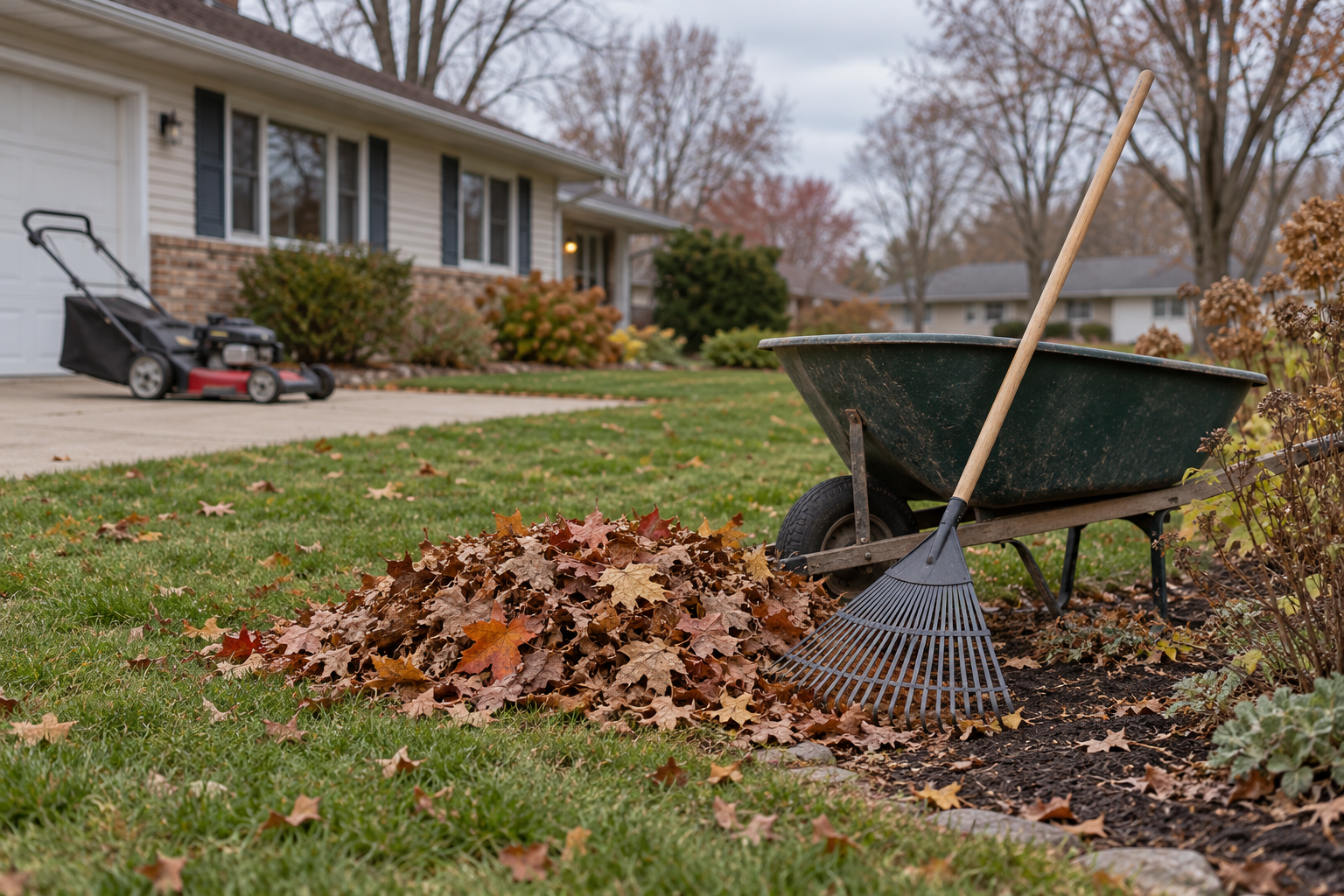
Start by raking leaves, sticks, and any other debris that accumulated over winter. This prevents mold growth and allows sunlight to reach grass and plants. Using a leaf blower can speed up the process on larger properties but may stir up dust and allergens—wear a mask if sensitive.
Tradeoff: DIY raking saves money but is labor-intensive. Hiring a service typically charges $150–$400 depending on yard size.
2. Prune Dead or Damaged Branches
Use sharp pruning shears or loppers to remove broken or dead branches from trees and shrubs. Proper pruning encourages healthy growth and reduces pest risks. For tall trees or hazardous limbs, hire certified arborists to avoid injury.
Tradeoff: DIY pruning works for small shrubs but professional tree pruning costs $200–$600+ depending on complexity.
3. Clean and Repair Hardscaping
Sweep patios and walkways, clear gutters and drains, and inspect for damage. Repair cracks early to prevent worsening. This step also improves curb appeal and safety.
Tradeoff: Minor repairs can be DIY with patch kits; extensive repairs may cost $300+ for professional masonry or concrete work.
4. Prepare Garden Beds and Lawn
Remove old mulch and dead plants, then turn soil to aerate and incorporate compost or fertilizer. This primes beds for planting. Reseed or patch lawn areas that look thin or bare.
Tradeoff: DIY soil prep and seeding are cost-effective but require time and knowledge of local soil conditions. Professional lawn care services for fertilizing and overseeding typically cost $100–$300 per treatment.
5. Dispose of Yard Waste Responsibly
Collecting and hauling brush, leaves, and grass clippings to municipal compost sites or arranging pickup is essential. Some Appleton neighborhoods offer spring yard waste collection, but check schedules and rules.
Tradeoff: DIY disposal saves fees but demands time and vehicle access. Professional cleanup services often include waste removal for an added fee.
Common Mistakes to Avoid During Spring Cleanup
Spring cleanup can quickly become overwhelming or costly if you fall into common traps. Here are key pitfalls to watch out for:
Underestimating the Scope of Work
Many homeowners start with good intentions but don’t realize how much debris and damage winter caused. Skipping a thorough assessment leads to incomplete cleanup, which can cause lawn health problems later.
Ignoring Safety Precautions
Pruning branches overhead or using power tools without proper safety gear can lead to injury. Also, avoid overexertion during raking or hauling brush, especially if you have heart conditions or respiratory sensitivities.
Overusing Chemicals or Fertilizers
Applying too much fertilizer or using harsh herbicides without understanding soil and plant needs can harm your lawn and local waterways. Test soil pH and nutrient levels before treatment and follow label instructions strictly.
Procrastinating Cleanup Tasks
Waiting too long to clean up means spring rains may cause debris to rot and spread disease. Early cleanup also helps prevent pest infestations like ticks and mosquitoes.
When Should You Call a Professional for Spring Yard Cleanup?
While many cleanup tasks can be DIY, there are clear boundaries where professional expertise ensures safety, quality, and efficiency.
Large Properties or Extensive Damage
If your yard is more than a half-acre or suffered storm damage with many fallen limbs, pros bring equipment and manpower that save time and reduce injury risk.
Tree Pruning and Removal
Working with tall trees or heavy branches requires specialized tools and training. Certified arborists can assess tree health and prune safely without damaging your property or themselves.
Lawn Disease or Pest Problems
If you notice unusual lawn discoloration, patchy grass, or insect damage, professional lawn care companies can diagnose and treat problems with appropriate products and timing.
Hardscape Repairs
Cracked patios, sinking walkways, or drainage issues often need skilled masons or landscapers to fix properly and prevent further structural damage.
Time Constraints or Physical Limitations
If your schedule or health limits your ability to perform labor-intensive tasks, hiring a cleanup service ensures the job gets done without stress or injury.
FAQ: Spring Yard Cleanup Cost Appleton
Q1: How much does spring yard cleanup typically cost in Appleton?
Costs vary widely depending on yard size and tasks but expect $150–$600 for basic cleanup including debris removal, pruning, and lawn prep. Larger properties or specialized services increase costs.
Q2: Can I do spring yard cleanup myself to save money?
Yes, many tasks like raking, pruning small shrubs, and soil preparation can be DIY if you have time and equipment. Large tree pruning or pest treatments are better left to professionals.
Q3: When is the best time to schedule spring yard cleanup in Appleton?
Late March through April is ideal once snow melts and soil dries enough to work without compaction. Early cleanup prevents pest buildup and prepares plants for the growing season.
Q4: What tools do I need for DIY spring yard cleanup?
Basic tools include a rake, pruning shears, loppers, gloves, a leaf blower or mower, and compost bags. For larger jobs, renting a chipper or power tools may be helpful.
Q5: Does Appleton offer yard waste pickup in spring?
Yes, the city schedules yard waste collection in spring and fall. Check the official Appleton website for dates and guidelines on acceptable materials.
Quick-Reference Checklist: Planning Your Spring Yard Cleanup Cost Appleton
| Step | DIY Feasibility | Estimated Cost Range | Notes |
|---|---|---|---|
| Assess yard condition | Yes | Free | Walk property, note damage and debris |
| Rake and remove debris | Yes | $0–$50 (bags, tools) | Labor-intensive, consider leaf blower |
| Prune small shrubs | Yes | $0–$50 (tools) | Use sharp shears, avoid tall trees |
| Professional tree pruning | No | $200–$600+ | For safety and expertise |
| Hardscape cleaning/repair | DIY/Pro | $0–$300+ | Small cracks DIY, major repairs pro |
| Lawn aeration and overseeding | Yes/Pro | $50–$300+ | DIY with rented aerator or hire pro |
| Yard waste disposal | Yes/Pro | $0–$100+ | City pickup often free, hauling costs |
Reader notes
Questions & comments
Ask about timing, share what worked on your property, or add useful Fox Cities context.
Be the first to leave a note on this guide.