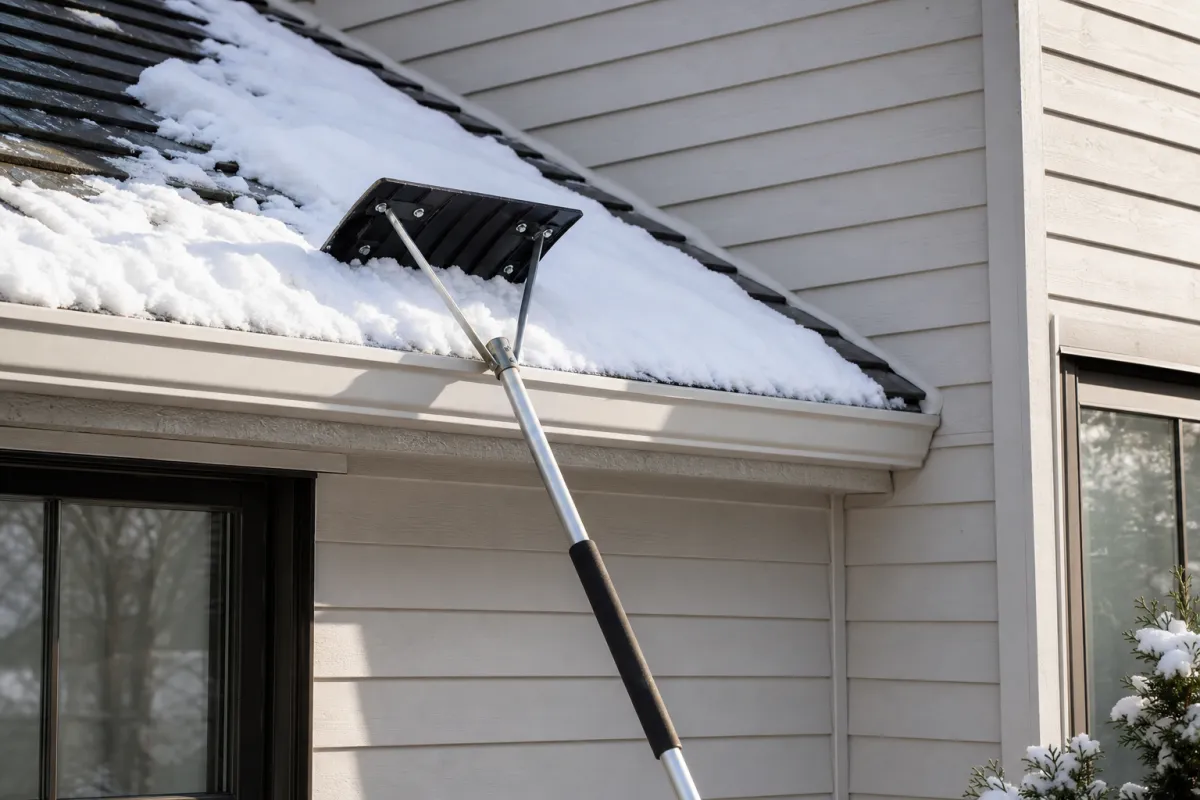
Winter in Appleton and the Fox Cities brings picturesque snowy landscapes but also challenges for homeowners—especially when it comes to managing snow accumulation on roofs. Roof snow removal is not just about aesthetics; it’s a critical safety and maintenance task that can protect your home from costly damage. This guide offers practical advice tailored specifically for Appleton and Fox Cities homeowners, covering what to check first, the best removal methods, common pitfalls, and when it’s safest to call in a professional.
Why Roof Snow Removal Matters in Appleton
Appleton winters often bring heavy snowfall combined with fluctuating temperatures that can cause ice dams and excessive roof loads. When snow accumulates on your roof, it adds significant weight that can stress structural components, sometimes leading to sagging or even collapse in extreme cases. Additionally, melting snow can refreeze at the eaves, creating ice dams that prevent proper drainage and cause leaks inside your home.
Removing snow from your roof reduces these risks, helps maintain your home’s insulation efficiency, and prevents damage to gutters and siding. However, roof snow removal must be approached carefully to avoid personal injury or unintended damage to roofing materials.
What to Check First Before Removing Roof Snow
Before grabbing a roof rake or ladder, perform these initial checks to assess your situation safely and effectively:
1. Roof Structure and Snow Load
Understand your roof’s design and age. Older roofs or those with a history of issues like leaks or sagging require more caution. Typical snow loads in Appleton can range from a few inches to several feet, but wet snow weighs significantly more than powdery snow. If you’re unsure about your roof’s capacity, err on the side of caution and consider professional evaluation.
2. Ice Dams and Drainage
Look for signs of ice dams along eaves and gutters. These form when heat escapes from your home, melting snow on the upper roof that refreezes at the colder edges. Ice dams can cause water to back up under shingles, leading to interior water damage. If you spot icicles hanging from gutters or water stains inside your home, address these as priorities.
3. Weather Conditions and Timing
Choose a clear, calm day for snow removal. Avoid windy or icy conditions that increase fall risk. Also, aim to remove snow soon after heavy accumulation to prevent it from compacting or turning into ice. Be mindful of temperature fluctuations that could affect snow consistency and safety.
Best Options and Steps for Roof Snow Removal in Appleton
Here are practical, step-by-step methods tailored to local conditions:
1. Use a Roof Rake from the Ground
The safest DIY method involves a roof rake with an extendable handle designed to remove snow while standing on the ground. This reduces fall risk and allows you to clear the lower portions of the roof. Choose a rake with a plastic blade to avoid damaging shingles.
Tradeoffs: This method works best for single-story or low-pitched roofs. It’s less effective for steep or multi-story roofs and may not remove all snow, especially in hard-to-reach areas.
2. Clear Snow in Layers
Remove snow gradually in layers rather than trying to clear it all at once. This prevents large chunks from sliding off suddenly, which can be dangerous to people and property below.
3. Avoid Climbing on the Roof if Possible
Climbing onto an icy roof is hazardous and can void some roofing warranties. If you must access the roof, use proper fall protection gear and consider professional help.
4. Use Heat Cables or Roof De-icing Systems
For recurring ice dam problems, installing heat cables along eaves can help melt snow and ice safely. These systems require professional installation but reduce the need for manual snow removal.
5. Maintain Gutters and Downspouts
Ensure gutters are clear of debris before winter. Proper drainage reduces ice dam formation and helps snow melt off the roof more effectively.
Common Mistakes to Avoid During Roof Snow Removal
Many homeowners unintentionally increase risks or damage their homes by making these errors:
1. Ignoring Safety Precautions
Falls from ladders or roofs are a leading cause of winter injuries. Always prioritize your safety by avoiding risky climbs and using appropriate equipment.
2. Using Metal Shovels or Sharp Tools
Metal tools can damage shingles, leading to leaks and costly repairs. Stick to plastic snow rakes or soft-bristle brooms designed for roofs.
3. Removing Snow Too Late
Waiting until snow is heavily compacted or frozen makes removal harder and riskier. Regular snow clearing after storms is safer and more effective.
4. Overloading Yourself Physically
Shoveling or manually removing roof snow is strenuous and can cause heart strain or overexertion, especially in cold weather. Take frequent breaks and avoid heavy lifting.
5. Not Considering Professional Help When Needed
Some roof snow situations exceed safe DIY limits. Recognize when conditions or roof design make professional removal the smarter choice.
When to Call a Professional for Roof Snow Removal in Appleton
Knowing your limits is key to avoiding injury or damage. Consider hiring a professional if:
- Your roof is more than one story high or has a steep pitch.
- Snow accumulation exceeds 12 inches or is heavy, wet snow.
- You notice signs of structural stress, such as sagging ceilings or creaking sounds.
- Ice dams are severe or recurring despite your efforts.
- You have health concerns or physical limitations that make snow removal risky.
- Local weather conditions are icy, windy, or otherwise unsafe.
Professional contractors in Appleton and the Fox Cities use specialized equipment and safety gear to efficiently remove snow without damaging your roof. They can also identify underlying issues like poor insulation or ventilation that contribute to ice dams.
FAQ About Roof Snow Removal in Appleton
Q: How often should I remove snow from my roof?
A: It depends on snowfall and roof design, but after every significant accumulation (6–12 inches) is a good rule of thumb, especially if snow is heavy or wet.
Q: Can roof snow removal damage my shingles?
A: Yes, using improper tools or excessive force can damage shingles. Use plastic rakes and avoid sharp tools.
Q: Is it safe to use a snow blower on my roof?
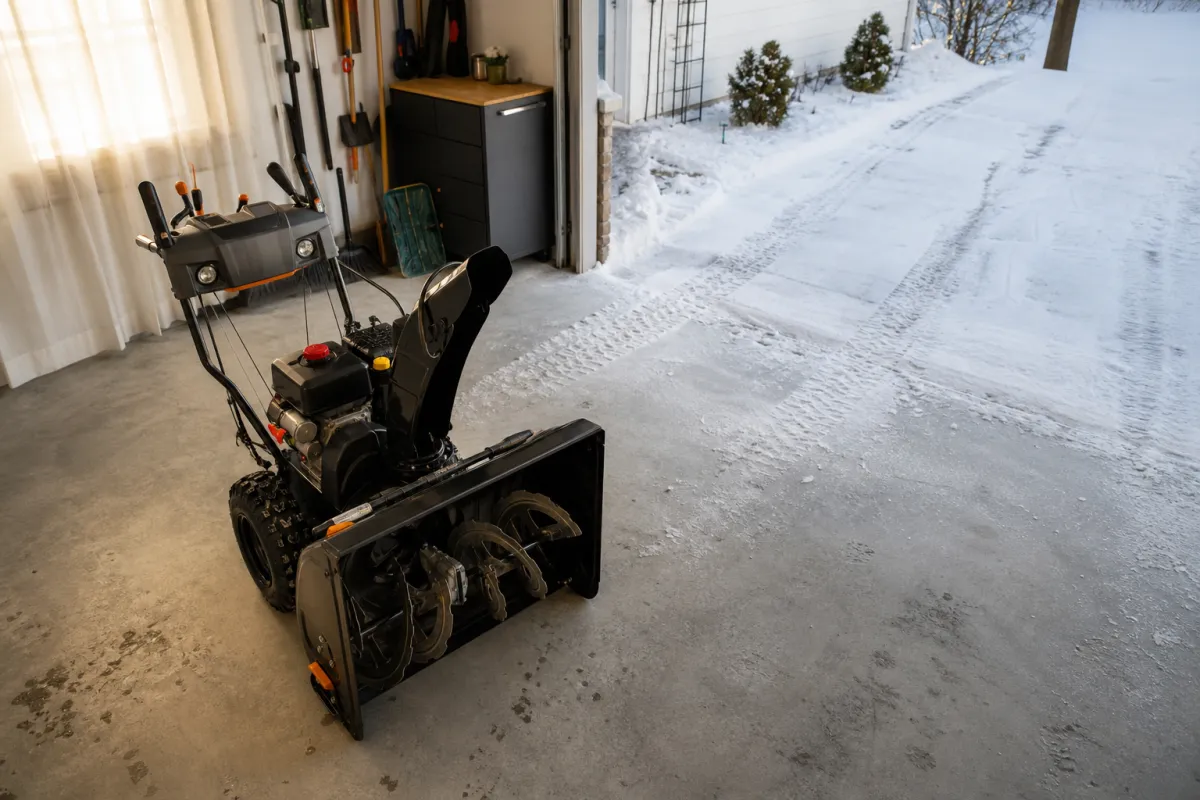
A: No, snow blowers are not designed for roofs and pose serious safety risks, including falls and roof damage.
Q: How do heat cables prevent ice dams?
A: Heat cables warm the roof edge to prevent freezing, allowing snowmelt to drain properly rather than refreezing into ice dams.
Q: What are the signs my roof is overloaded with snow?
A: Look for sagging ceilings, cracking sounds, doors or windows that stick, or visible sagging in the roofline.
Quick Reference Checklist for Roof Snow Removal in Appleton
| Step | Action | Notes |
|---|---|---|
| 1. Assess Roof Condition | Check age, pitch, and any damage signs | Older roofs need extra caution |
| 2. Monitor Snow Accumulation | Remove snow after 6–12 inches, especially if wet and heavy | Frequent removal prevents compaction |
| 3. Use Proper Tools | Roof rake with plastic blade, extension handle | Avoid metal shovels |
| 4. Remove Snow in Layers | Clear gradually to avoid large snow slides | Safety for people and property below |
| 5. Avoid Roof Climbing | Use ground methods or hire pros for high or steep roofs | Falls are a major hazard |
| 6. Maintain Gutters | Clean before winter to prevent ice dams | Proper drainage is critical |
| 7. Know When to Call Pros | Steep roofs, heavy snow, ice dams, or personal safety concerns | Professional removal reduces risks |
Conclusion
Roof snow removal in Appleton is essential for protecting your home from winter damage but requires careful planning and safe methods. By understanding your roof’s condition, using the right tools, and knowing when to call a professional, you can minimize risks and keep your home safe through the snowy months. Always prioritize safety and avoid overexertion—your health and your home’s integrity depend on it.
Roof-snow safety and local-freshness note
This is general maintenance information, not a structural assessment. Snow load depends on snow density, roof geometry, drifting, ice formation, ventilation, and the building's structure; a calendar date or visual estimate cannot establish that a roof is safe. For warning signs, structural concerns, difficult access, or work near power lines, consult a qualified roofing or snow-removal professional.
Appleton-area weather and local service availability change by season. Verify current conditions, contractor licensing/insurance questions, and any municipal requirements before hiring or starting work. Do not climb onto an icy roof or use improvised equipment.
Reader notes
Questions & comments
Ask about timing, share what worked on your property, or add useful Fox Cities context.
Be the first to leave a note on this guide.