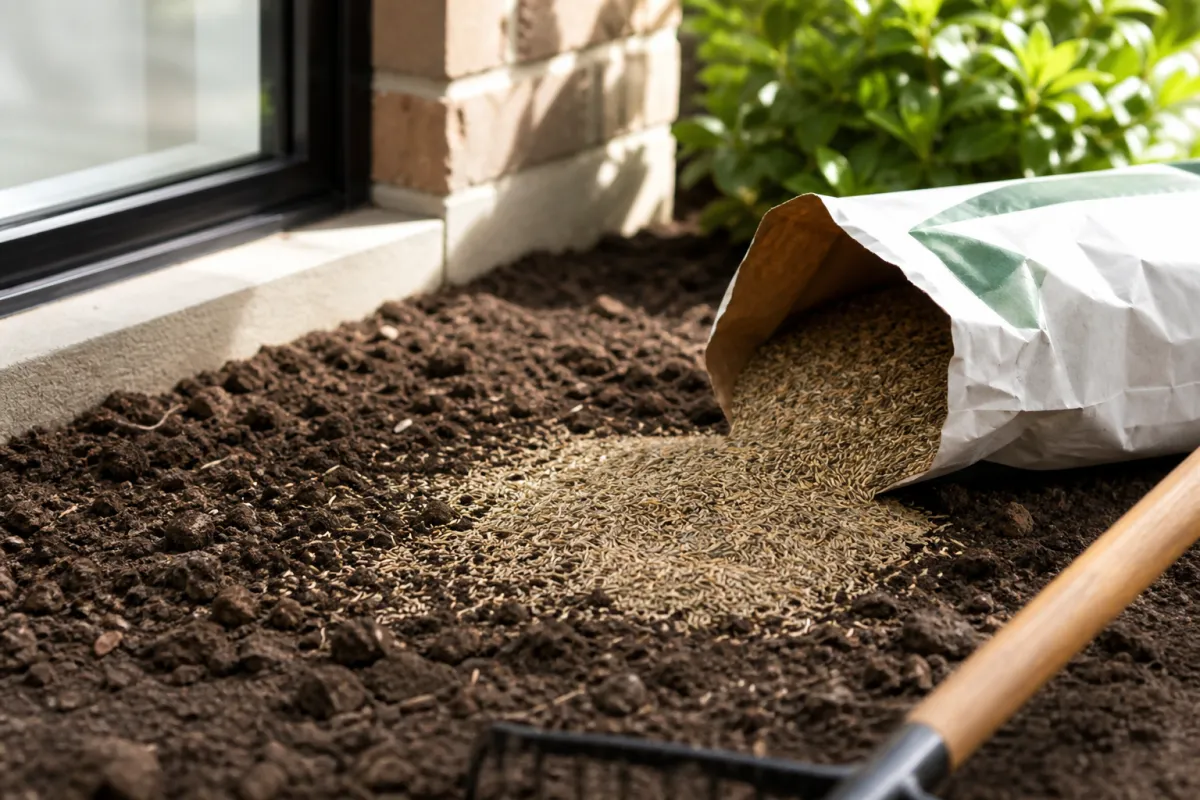
Maintaining a lush, healthy lawn in Appleton and the Fox Cities requires more than just regular mowing and watering. (lawn aeration cost) (lawn mowing prices appleton) (lawn care cost appleton wi) Fertilization plays a critical role in promoting strong root growth, vibrant color, and disease resistance. However, understanding the lawn fertilization service cost Wisconsin can be confusing for homeowners. This guide breaks down what you need to know about pricing, service options, and practical steps to help you make informed decisions that fit your budget and lawn care goals.
Why Understanding Lawn Fertilization Service Cost Matters in Wisconsin
Lawn fertilization is an investment in your property’s curb appeal and long-term health. In Wisconsin’s climate, seasonal changes impact soil nutrients and grass growth cycles, making fertilization timing and product choice especially important. Knowing the typical costs of fertilization services helps you budget appropriately and avoid overspending on unnecessary treatments or underinvesting in your lawn’s needs.
Most lawn fertilization services in Wisconsin range from $40 to $80 per application for an average residential lawn (around 5,000 to 7,000 square feet). However, prices vary based on lawn size, soil conditions, the type of fertilizer used, and the number of applications per year. Understanding these factors helps you weigh your options and choose services that deliver real value rather than just a low price.
What to Check First Before Hiring Lawn Fertilization Services
Before booking a lawn fertilization service, it’s essential to assess your lawn’s current condition and needs. Here are the key checks:
1. Soil Quality and Nutrient Levels
A soil test is the most reliable way to determine nutrient deficiencies or pH imbalances that affect grass health. Many local extension offices or private labs in Wisconsin offer affordable soil testing. This test guides the choice of fertilizer type and application rate, preventing wasteful or harmful overfertilization.
2. Lawn Size and Complexity
Measure your lawn to get an accurate square footage. Larger or irregularly shaped lawns may increase labor costs. Also, consider if you have flower beds, trees, or vegetable gardens nearby that require careful fertilizer application to avoid damage.
3. Grass Type and Growth Cycle
Wisconsin lawns typically consist of cool-season grasses like Kentucky bluegrass, fescue, or ryegrass. These grasses benefit from fertilization in early spring and fall. Understanding your grass type helps determine the best timing and fertilizer formulation.
4. Local Climate and Weather Patterns
Appleton and the Fox Cities experience cold winters and moderate summers. Fertilizer applications must be timed to avoid washout from spring rains or winter freeze damage. Check recent weather forecasts and historical patterns to plan your fertilization schedule effectively.
Best Options and Practical Steps for Lawn Fertilization in Wisconsin
Choosing the right fertilization approach depends on your lawn’s needs, budget, and willingness to do some work yourself. Here are practical options and their tradeoffs:
1. Professional Lawn Fertilization Services
Hiring a local lawn care company is the most convenient option. They bring expertise, equipment, and customized fertilizer blends suited for Wisconsin soils and grass types.
- Cost: Expect $40 to $80 per treatment, with 3-5 treatments per season recommended for optimal results.
- Pros: Saves time, ensures correct application, reduces risk of over or under fertilizing.
- Cons: Higher upfront cost, less control over product choice.
2. DIY Fertilization with Store-Bought Products
If you prefer hands-on care, purchasing fertilizer at garden centers or home improvement stores can be cost-effective.
- Cost: Fertilizer bags cost $20-$50 depending on size and formulation; spreaders can be rented or purchased.
- Pros: Lower cost, complete control over timing and product.
- Cons: Requires knowledge of application rates and safety; risk of uneven coverage or environmental runoff.
3. Organic vs. Synthetic Fertilizers
Organic fertilizers (compost, bone meal, seaweed extracts) release nutrients slowly and improve soil health but often cost more and require more frequent applications.
Synthetic fertilizers provide quick nutrient availability but can cause nutrient runoff if misapplied, impacting local waterways.
- Tradeoff: Organic is safer for the environment but pricier; synthetic is effective but requires precise application.
4. Seasonal Fertilization Schedule
In Wisconsin, a typical fertilization schedule includes:
- Early Spring: Kickstarts growth after winter dormancy.
- Late Spring: Supports vigorous growth heading into summer.
- Early Fall: Encourages root development and stores nutrients for winter.
- Late Fall (optional): Helps recovery and prepares lawn for spring.
Following this schedule balances cost and lawn health.
Common Mistakes to Avoid When Paying for Lawn Fertilization Services
Many homeowners make avoidable errors that increase costs or reduce lawn health. Watch out for these pitfalls:
1. Overfertilizing or Applying at the Wrong Time
Applying too much fertilizer or fertilizing during drought or extreme heat can burn grass and pollute waterways. Always follow product labels and professional advice.
2. Choosing Cheapest Services Without Verifying Quality
Low-cost services may use inferior products or skip important steps like soil testing. Ask for service details and references to ensure value.
3. Ignoring Safety Precautions
Fertilizer chemicals can irritate skin and eyes, and inhaling dust can cause respiratory issues. Use gloves and masks when applying, and keep children and pets off treated areas until safe.
4. Neglecting Lawn Maintenance Beyond Fertilization
Mowing height, watering practices, and aeration all impact fertilizer effectiveness. Avoid expecting fertilization alone to fix underlying lawn problems.
When to Call a Pro for Lawn Fertilization in Appleton and Fox Cities
While DIY fertilization can work for many, certain situations warrant professional help:
- Large or Complex Lawns: Properties over 10,000 square feet or with multiple zones are challenging to treat evenly.
- Persistent Lawn Problems: If your lawn has recurring disease, pest infestations, or patchy growth, professionals can diagnose and recommend integrated solutions.
- Safety Concerns: Handling concentrated fertilizers or liquid treatments requires protective gear and experience.
- Time Constraints: If your schedule doesn’t allow for proper application timing and follow-up, hiring a service ensures consistent care.
- Environmental Regulations: Professionals understand Wisconsin’s environmental guidelines for fertilizer use near waterways and can help avoid violations.
FAQ: Lawn Fertilization Service Cost Wisconsin
Q1: How many fertilization treatments does a typical Wisconsin lawn need per year?
Most lawns benefit from 3 to 5 treatments annually, timed from early spring through late fall.
Q2: Can I save money by combining fertilization with other lawn services?
Yes. Many companies offer bundled packages including fertilization, aeration, and weed control, which can reduce overall costs.
Q3: Are organic lawn fertilizers effective in Wisconsin?
Yes, organic fertilizers improve soil health and provide nutrients, but they usually work slower and may require more frequent applications.
Q4: What should I do if I notice fertilizer burn on my lawn?
Water the area thoroughly to dilute the fertilizer and avoid further applications until the lawn recovers.
Q5: How do I find a reputable lawn fertilization service in Appleton?
Look for companies with positive local reviews, proper licensing, and clear service details. Ask neighbors or check the Better Business Bureau for recommendations.
Quick Reference: Lawn Fertilization Service Cost Checklist for Wisconsin Homeowners
| Factor | Consideration | Typical Cost Range |
|---|---|---|
| Lawn Size | Measure accurately | N/A |
| Number of Treatments | 3 to 5 per year | $40–$80 per treatment |
| Fertilizer Type | Synthetic vs. organic | Organic often higher priced |
| Soil Testing | Recommended before fertilization | $15–$50 |
| DIY Equipment (Spreader) | Rental or purchase | $10–$50 |
| Additional Services | Aeration, weed control (bundled options) | Varies |
| Environmental Compliance | Follow Wisconsin regulations | N/A |
| Safety Gear | Gloves, masks for DIY | $5–$20 |
Reader notes
Questions & comments
Ask about timing, share what worked on your property, or add useful Fox Cities context.
Be the first to leave a note on this guide.