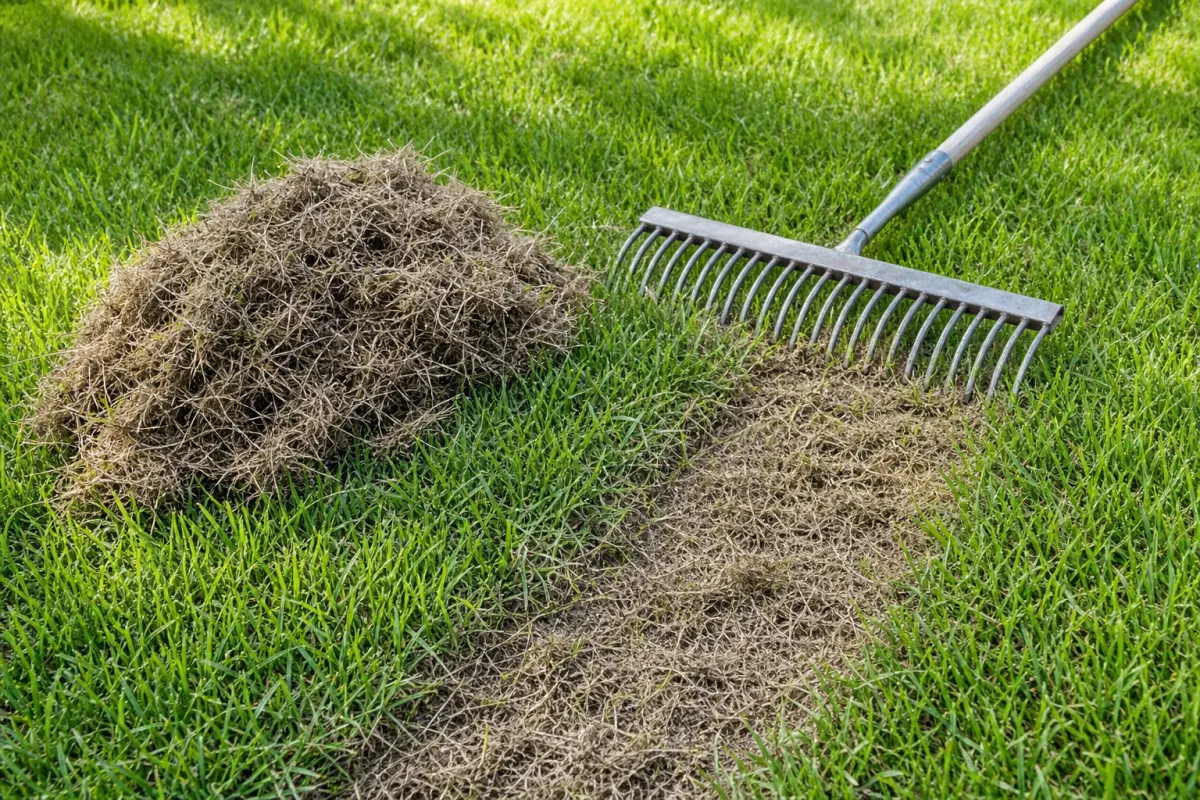
Proper lawn care in Appleton and the Fox Cities requires attention to many details, and dethatching is one of the important but often overlooked steps. Thatch buildup can suffocate your grass, inhibit water and nutrient absorption, and invite pests and diseases. Knowing when and how to dethatch, and what a professional service will cost, helps homeowners make informed decisions that protect their investment in a healthy, vibrant lawn.
This guide breaks down the key factors behind lawn dethatching service cost, explains how to assess your lawn’s needs, offers practical advice on service options, warns about common mistakes, and clarifies when it’s best to call in a pro.
Why Lawn Dethatching Matters and What It Costs
Thatch is the layer of dead grass stems, roots, and organic debris that accumulates between the soil surface and green grass blades. While a thin layer (less than 1/2 inch) can be beneficial by protecting soil and retaining moisture, excessive thatch (over 1/2 inch) can cause serious lawn problems. These include poor drainage, root suffocation, and increased vulnerability to drought, pests, and disease.
Dethatching removes this layer, restoring healthy soil-to-grass contact. For many Appleton and Fox Cities homeowners, hiring a professional dethatching service is the most effective way to ensure thorough removal without damaging the lawn.
Typical Cost Range
Lawn dethatching service costs in the Appleton area typically range between $100 and $300 for an average residential lawn of about 5,000 square feet. Prices vary based on:
- Lawn size and shape
- Thatch thickness and severity
- Equipment and method used (power rake, vertical mower, or manual)
- Additional services like aeration or overseeding bundled with dethatching
- Accessibility and travel distance for the contractor
Larger or more complex properties can expect higher pricing, sometimes $0.05–$0.15 per square foot. Some companies offer package deals combining dethatching with aeration and fertilization, which can improve overall lawn health and may be more cost-effective in the long run.
What to Check First: Is Dethatching Really Needed?
Before scheduling a dethatching service, it’s important to confirm that your lawn actually needs it. Over-dethatching can damage healthy grass and waste money.
Step 1: Measure Your Thatch Layer
Use a small shovel or garden trowel to dig a 2-3 inch deep hole in your lawn. Remove the grass and soil plug and measure the thickness of the brown, spongy layer between the green grass blades and soil. If this layer is more than 1/2 inch thick, dethatching is likely beneficial.
Step 2: Consider Your Lawn Type and Conditions
Some grass types, like Kentucky bluegrass and creeping bentgrass common in Wisconsin, are prone to thatch buildup. Lawns with heavy foot traffic, frequent watering, or excessive fertilization often develop thatch faster.
Step 3: Look for Symptoms
Signs that your lawn may need dethatching include:
- Patches of dead or thinning grass
- Water pooling on the surface instead of soaking in
- Increased presence of insects or fungal diseases
- Spongy or springy feel when walking on the grass
If these conditions are present, dethatching can help rejuvenate your lawn.
Best Options and Steps for Lawn Dethatching in Appleton and the Fox Cities
Once you’ve confirmed the need for dethatching, you can weigh your options and plan the process carefully.
1. DIY Dethatching
If your lawn is small and the thatch layer is moderate, renting a dethatching machine (power rake or vertical mower) from a local Appleton hardware or equipment rental store can be cost-effective. Rental prices range from $50 to $100 per day.
Pros:
- Lower cost than hiring a service
- Control over timing and frequency
Cons:
- Requires physical effort and skill to avoid damaging grass
- Risk of improper dethatching depth
- Equipment handling and safety concerns
2. Professional Lawn Dethatching Service
Hiring experienced lawn care professionals ensures proper technique, equipment, and timing. Pros use commercial-grade dethatchers and have knowledge of local grass types and seasonal considerations.
Pros:
- Thorough dethatching without damage
- Can combine with aeration, fertilization, or overseeding
- Saves time and physical strain
Cons:
- Higher upfront cost
- Need to schedule and coordinate
3. Timing and Seasonal Considerations
In Appleton and the Fox Cities, the best time for dethatching cool-season grasses is early fall (late August to mid-September) or spring (April to early June). Avoid dethatching during summer heat or winter freeze, as grass recovery is slower.
4. Combine with Aeration and Overseeding
Many lawn care companies recommend combining dethatching with core aeration and overseeding to improve soil oxygen, reduce compaction, and fill in bare spots. This can increase overall costs but yields better long-term results.
Common Mistakes to Avoid When Dethatching Your Lawn
Even with the best intentions, some homeowners make missteps that can harm their lawns or inflate costs unnecessarily.
Mistake 1: Dethatching Too Frequently
Thatch naturally decomposes over time. Dethatching is only necessary every 2-3 years for most lawns. Overdoing it can stress or kill grass roots and increase vulnerability to weeds.
Mistake 2: Ignoring Safety Precautions
Dethatching equipment is powerful and can cause injury if mishandled. When renting or using a power rake or vertical mower, always wear protective gloves, eye protection, and sturdy footwear. Never operate equipment near children or pets.
Mistake 3: Neglecting Lawn Health Before and After
Dethatching is a disruptive process. Failing to water, fertilize, or overseed after dethatching can delay recovery and leave your lawn patchy. Plan for post-dethatching care to maximize benefits.
Mistake 4: Choosing Cost Over Quality
While it might be tempting to select the cheapest service, poor dethatching technique or inadequate equipment can do more harm than good. Ensure your contractor has good reviews, proper insurance, and experience with local grass types.
When to Call a Professional Lawn Care Service
Certain scenarios make professional help the best choice to protect your lawn and your safety.
Large or Complex Lawns
If your property exceeds 10,000 square feet or has irregular terrain, slopes, or obstacles, professionals have the equipment and expertise to manage dethatching efficiently.
Severe Thatch Buildup
Extremely thick thatch layers (over 1 inch) require specialized equipment and multiple passes to remove safely. DIY attempts can damage grass crowns or soil.
Physical Limitations or Time Constraints
Dethatching is physically demanding. Homeowners with health issues, busy schedules, or limited experience should consider professional services to avoid injury and ensure quality.
Integrated Lawn Care Plans
If you want a comprehensive lawn care program including fertilization, aeration, pest control, and overseeding, many companies bundle dethatching with these services for better results and convenience.
FAQ: Lawn Dethatching Service Cost and Care in Appleton and Fox Cities
Q1: How often should I dethatch my lawn?
Most lawns benefit from dethatching every 2 to 3 years, depending on grass type and soil conditions. Excessive dethatching can cause damage.
Q2: Can I dethatch my lawn in the winter or summer?
No. Winter cold and summer heat stress cool-season grasses common in Wisconsin. Early fall or spring are the ideal windows.
Q3: Does dethatching kill weeds?
Dethatching removes thatch but does not directly control weeds. However, removing thatch can reduce weed habitat and improve grass health, making your lawn more competitive against weeds.
Q4: How long does it take for a lawn to recover after dethatching?
Recovery typically takes 2 to 4 weeks with proper watering and care. Overseeding and fertilization speed up recovery.
Q5: Is dethatching necessary if I aerate regularly?
Aeration and dethatching address different issues. Aeration reduces soil compaction, while dethatching removes organic debris. Both can be beneficial but serve distinct purposes.
Quick Reference: Lawn Dethatching Service Cost and Considerations Checklist
| Factor | Notes |
|---|---|
| Average Cost | $100–$300 for ~5,000 sq ft |
| DIY Rental Cost | $50–$100 per day |
| Best Time to Dethatch | Early fall (Aug–Sept) or spring (Apr–June) |
| Thatch Thickness Threshold | > 1/2 inch indicates need for dethatching |
| Combine With | Aeration and overseeding for best results |
| Safety Precautions | Wear gloves, eye protection, sturdy shoes |
| When to Call a Pro | Large lawns, severe thatch, physical limits |
Reader notes
Questions & comments
Ask about timing, share what worked on your property, or add useful Fox Cities context.
Be the first to leave a note on this guide.