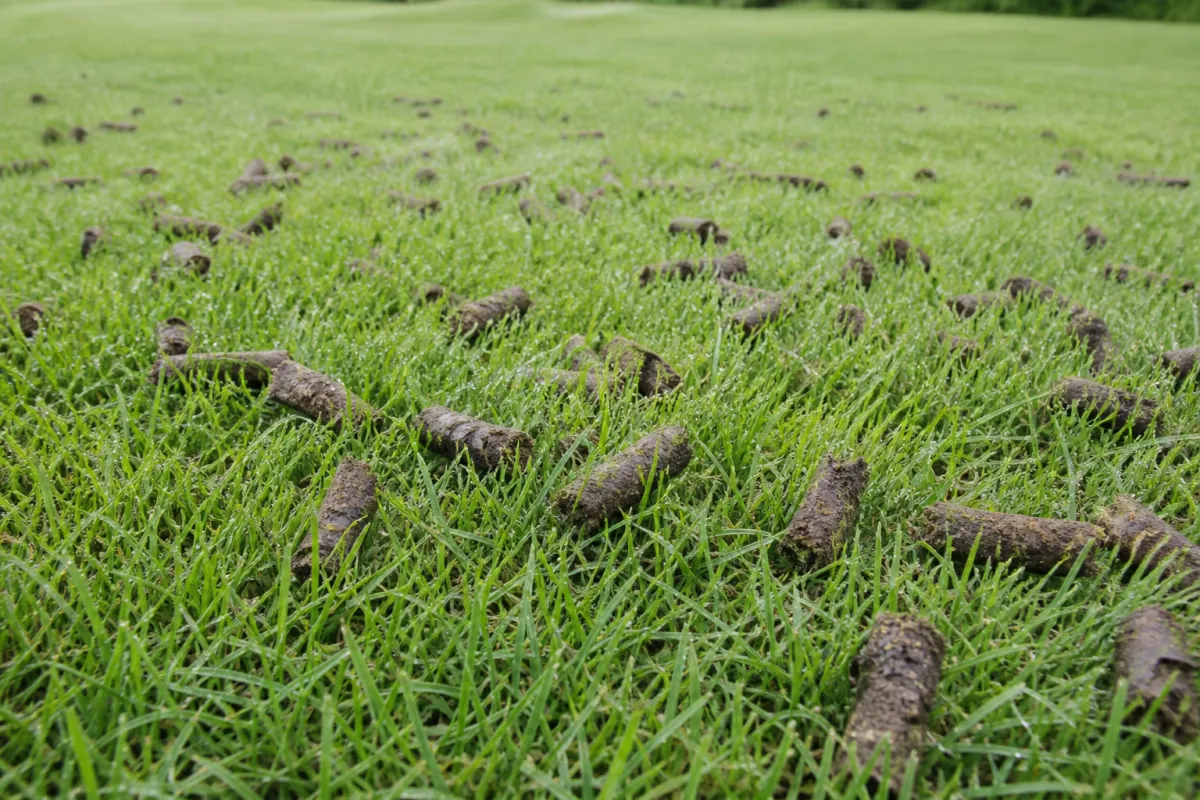
Lawn aeration is one of the most effective ways to maintain a healthy, lush lawn in Appleton and the Fox Cities area. (lawn fertilization service cost wisconsin) (lawn care cost appleton wi) But before you schedule a service or rent equipment, understanding lawn aeration cost and the factors that influence it can help you make informed decisions that fit your budget and lawn care goals. This guide covers what you need to know about aeration pricing, how to assess your lawn’s needs, what options you have, common pitfalls to avoid, and when it’s best to call a professional.
Why Lawn Aeration Cost Matters for Fox Cities Lawns
Lawn aeration involves perforating the soil with small holes to allow air, water, and nutrients to penetrate grassroots. This process alleviates soil compaction, improves drainage, and promotes deeper root growth—critical for Wisconsin’s seasonal weather variations and clay-heavy soils common in our region.
Understanding the cost of lawn aeration helps you weigh the investment against the benefits. Aeration can prevent costly problems down the road, such as poor grass health, increased weed growth, and water runoff issues. However, prices vary widely depending on lawn size, equipment, and whether you DIY or hire a service. Knowing what drives these costs helps you plan ahead and avoid overspending on unnecessary services or inadequate DIY attempts.
What to Check First Before Aerating Your Lawn
Assess Your Lawn’s Condition
Before you even think about aeration, evaluate your lawn’s current condition. Common signs that aeration is needed include:
- Soil compaction: Test by pushing a screwdriver or soil probe into the ground. If it’s very hard to penetrate, compaction is likely.
- Water pooling: After rain or irrigation, if water pools and doesn’t soak in quickly, your soil may be compacted.
- Patchy or thin grass: Compaction limits root growth, causing uneven turf.
- Heavy foot traffic: Lawns near driveways, walkways, or play areas often compact faster.
Know Your Soil Type
Appleton and Fox Cities homeowners often deal with clay or silty soils, which compact more easily than sandy soils. Clay soils benefit most from aeration, but the timing and method may differ slightly to avoid damage or poor results.
Measure Your Lawn Size
Aeration cost is usually quoted per 1,000 square feet or by total lawn size. Measure your lawn area accurately to get reliable estimates, either using online mapping tools or physical measurement.
Timing Considerations
The best time to aerate cool-season grasses common in Wisconsin, like Kentucky bluegrass or fescue, is early fall or spring when the grass is actively growing. Aerating at the wrong time can stress the grass and reduce benefits, potentially wasting your investment.
Best Options and Steps for Lawn Aeration in Appleton and the Fox Cities
1. DIY Lawn Aeration: Renting Equipment
Renting a core aerator or spike aerator from a local hardware or garden center is a budget-friendly option. Expect to pay around $50–$100 per day for rental.
Pros:
- Lower cost than professional service.
- Control over timing and frequency.
Cons:
- Requires physical effort and some skill.
- Risk of uneven aeration if not done properly.
- Equipment can be heavy and challenging to maneuver on sloped or uneven lawns.
2. Hiring a Lawn Care Company
Professional lawn care services in Appleton and Fox Cities typically charge between $75 and $200 for aeration, depending on lawn size and additional services like overseeding or fertilizing.
Pros:
- Experienced operators ensure even, effective aeration.
- Can be bundled with other lawn care treatments.
- Saves time and physical effort.
Cons:
- Higher upfront cost.
- Need to schedule in advance, especially in peak seasons.
3. Combining Aeration with Other Lawn Treatments
Some homeowners choose to combine aeration with overseeding or fertilizing to maximize lawn health benefits. (lawn mowing prices appleton) While this increases cost, it can save money compared to separate treatments and improve results.
4. Choosing the Right Aerator Type
- Core aerators remove plugs of soil and are generally more effective for compacted soils.
- Spike aerators poke holes without removing soil and are less effective but cheaper and easier to use.
Core aeration is recommended for Appleton’s clay soils despite potentially higher costs because it provides better long-term benefits.
Common Mistakes to Avoid When Considering Lawn Aeration Cost
Underestimating Lawn Size or Frequency
Many homeowners assume aeration is a one-time fix. Depending on soil compaction and lawn use, aeration may be needed annually or every two years. Not budgeting for recurring treatment can lead to poor lawn health.
Choosing Cheaper Spike Aeration for Severe Compaction
Spike aerators may seem cost-effective but do not relieve soil compaction as well as core aerators. This can lead to wasted money and effort if your soil is heavily compacted.
Ignoring Safety and Physical Limits
DIY aeration involves heavy equipment and physical exertion. Overexertion can lead to injuries, especially for older homeowners or those with heart conditions. Renting equipment without proper instruction or ignoring safety gear can cause accidents.
Overlooking Timing and Weather
Aerating during drought, extreme heat, or when the soil is too wet can damage your lawn and reduce aeration effectiveness. Plan aeration when soil is moist but not saturated.
When to Call a Lawn Care Professional for Aeration
Large Lawns or Complex Terrain
If your lawn exceeds half an acre or includes slopes, obstacles, or uneven terrain, professional aeration ensures thorough coverage and reduces risk of equipment damage or personal injury.
Physical Limitations or Health Concerns
If you have health conditions, mobility issues, or limited experience with lawn equipment, hiring a pro is safer and often more cost-effective in the long run.
Bundled Lawn Care Services
If you want overseeding, fertilizing, or pest control alongside aeration, professionals can coordinate timing and application for best results, avoiding costly mistakes.
Warranty or Lawn Care Guarantees
Some lawn care companies offer guarantees or warranties on their work, providing peace of mind that DIY or inexperienced attempts cannot match.
FAQ About Lawn Aeration Cost in Appleton and Fox Cities
Q1: How much does lawn aeration cost per 1,000 square feet?
A1: Typically, professional aeration costs range from $25 to $50 per 1,000 square feet, but prices vary based on company, lawn condition, and additional services.
Q2: Can I aerate my lawn myself to save money?
A2: Yes, renting aeration equipment is a cost-saving option, but it requires physical effort and some knowledge. DIY aeration is best for smaller lawns and homeowners comfortable with lawn tools.
Q3: How often should I aerate my lawn?
A3: Most lawns benefit from aeration once every 1–3 years, depending on soil type, traffic, and grass species. Lawns with heavy clay soil or frequent foot traffic may need annual aeration.
Q4: Is aeration necessary every year?
A4: Not always. If your lawn is healthy and soil is not compacted, aerating every 2–3 years may suffice. A soil test or professional consultation can help determine frequency.
Q5: What additional costs should I budget for besides aeration?
A5: Consider costs for overseeding, fertilizing, weed control, and irrigation adjustments that often accompany aeration. These treatments improve overall lawn health and maximize aeration benefits.
Quick Reference Checklist: Planning for Lawn Aeration Cost
| Step | Consideration | Notes |
|---|---|---|
| Assess lawn condition | Soil compaction, water pooling | Use screwdriver test or visual inspection |
| Measure lawn size | Accurate square footage | Use mapping tools or tape measure |
| Choose aeration method | Core vs. spike aerator | Core recommended for clay soils |
| Decide DIY or professional | Physical ability, lawn size | Professionals handle large/complex lawns better |
| Schedule timing | Early fall or spring | Avoid drought or saturated soil |
| Budget for extras | Overseeding, fertilizing | Bundled treatments save time and improve results |
| Safety | Proper equipment use, avoid overexertion | Follow rental instructions and safety gear |
Reader notes
Questions & comments
Ask about timing, share what worked on your property, or add useful Fox Cities context.
Be the first to leave a note on this guide.