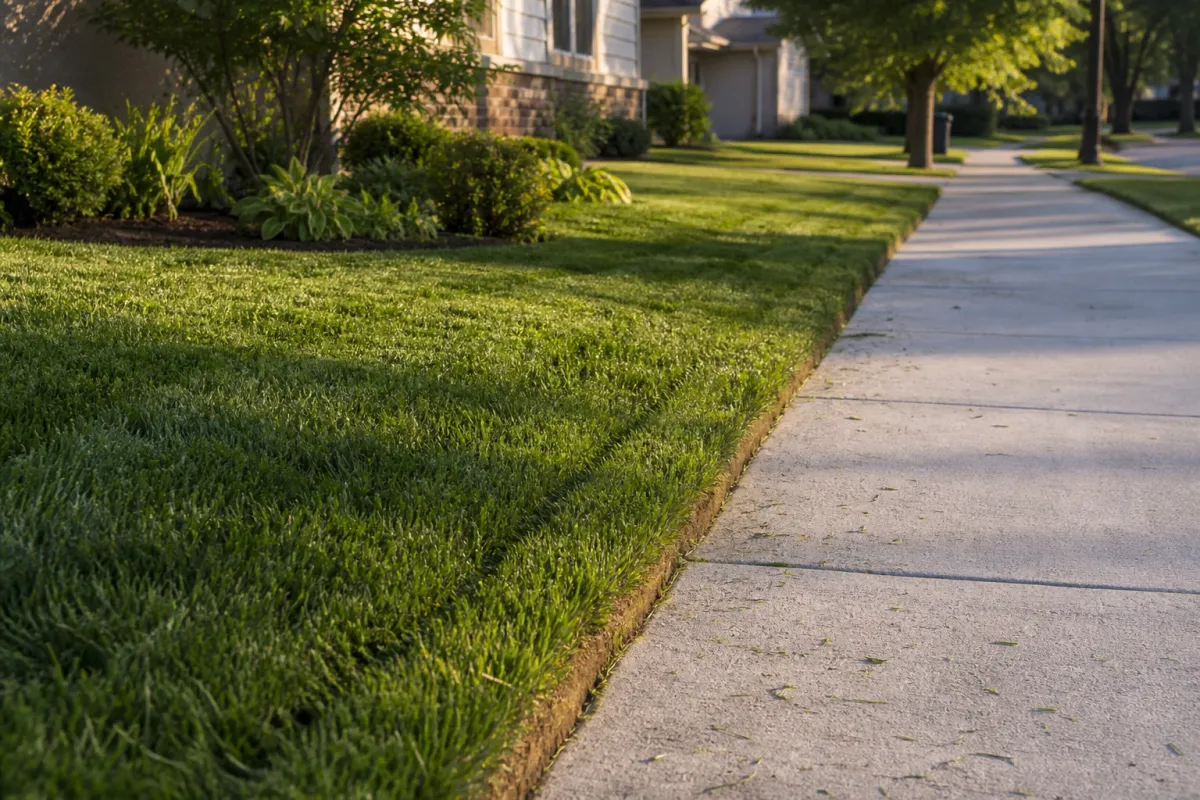
Maintaining a well-manicured lawn is a point of pride for many homeowners in Appleton and the Fox Cities. Whether you’re aiming to enhance curb appeal, prepare for summer barbecues, or simply keep your yard tidy, weekly lawn mowing is a key component of lawn care. But how much does weekly lawn mowing cost, exactly? Understanding this can help you budget effectively, decide between DIY and professional services, and ensure your lawn stays healthy without breaking the bank.
In this guide, we’ll break down the factors that influence the cost of weekly lawn mowing in our region, explore your options, highlight common pitfalls, and help you determine when it’s best to call in a pro. By the end, you’ll have a clear picture of what to expect and how to proceed safely and smartly.
Why Knowing the Cost of Weekly Lawn Mowing Matters
Knowing how much weekly lawn mowing costs isn’t just about budgeting; it’s about making informed decisions that affect your lawn’s health and your home’s appearance. In Appleton and the Fox Cities, where seasonal growth patterns and weather conditions vary, mowing frequency and quality can significantly impact your grass’s vitality.
For many homeowners, the choice comes down to DIY mowing versus hiring a professional. Each option has tradeoffs in terms of time, equipment investment, safety, and potential long-term costs like lawn damage or extra treatments. By understanding the typical cost range and what influences pricing, you can avoid surprises and choose the approach that fits your lifestyle and lawn care goals.
What to Check First Before Estimating Your Lawn Mowing Cost
Before you get quotes or dust off your mower, it’s important to understand the specifics of your lawn. Several factors affect how much weekly lawn mowing will cost:
1. Lawn Size and Shape
Lawn size is the primary cost driver. Larger yards take more time and fuel, and often require more powerful equipment. A typical small residential lawn (around 5,000 square feet) costs less to mow than a large, sprawling yard of 15,000 square feet or more. Irregular shapes or multiple sections separated by landscaping features can also increase labor time.
2. Terrain and Accessibility
Is your lawn flat, or does it have slopes and hills? Steep or uneven terrain slows mowing and may require specialized equipment or extra caution, increasing the cost. Also, tight spaces around trees, flower beds, or garden paths require more precise trimming and may add to the time and cost.
3. Grass Type and Growth Rate
In the Fox Cities, cool-season grasses like Kentucky bluegrass, fescue, and ryegrass dominate. These grasses grow quickly in spring and fall, requiring more frequent mowing. Seasonal growth surges can mean extra weekly visits or longer mowing sessions, impacting cost.
4. Current Lawn Condition
If your lawn has been neglected, overgrown, or has a lot of weeds and debris, the first few mowing sessions may take longer and cost more. Regular maintenance reduces costs over time.
5. Equipment and Service Level
Are you considering a basic mow and trim, or do you want additional services like edging, blowing clippings, or lawn cleanup? These add-ons increase the total cost but improve the overall appearance.
Best Options and Steps for Weekly Lawn Mowing in Appleton and the Fox Cities
Once you’ve assessed your lawn, here are practical steps and options to consider:
1. DIY Weekly Mowing
Cost Range: $0 (if you already own equipment) to $200+ upfront for mower purchase and maintenance.
Doing it yourself is the most cost-effective in terms of money, but it requires time, physical effort, and proper equipment. For average-sized lawns, a quality gas or electric mower costs between $200 and $600. Battery-powered mowers are quieter and better for the environment but may have shorter run times.
Tradeoffs:
- Time commitment: Weekly mowing can take 30 minutes to over an hour depending on lawn size.
- Physical strain: Mowing on slopes or in hot weather can be exhausting and even risky for some homeowners.
- Equipment upkeep: Mowers need regular maintenance (blade sharpening, oil changes, fuel storage), which adds cost and effort.
2. Hiring a Local Lawn Care Service
Cost Range: $30 to $60 per weekly visit for an average-sized lawn (5,000-7,500 sq ft).
Professional services in Appleton and the Fox Cities typically charge based on lawn size and service complexity. Weekly mowing with trimming and blowing usually falls within this range. Larger or more complex lawns cost more.
Tradeoffs:
- Convenience and time-saving: You don’t need to worry about equipment or labor.
- Consistency: Pros maintain a regular schedule, which benefits lawn health.
- Quality: Experienced crews can catch issues like disease or pest problems early.
3. Seasonal Contracts
Many lawn care companies offer seasonal contracts that include weekly mowing plus fertilization, aeration, and weed control. These packages can be cost-effective if you want comprehensive care.
Tradeoffs:
- Higher upfront cost but potential savings over single visits.
- Commitment: You’re locked into a schedule and service scope.
- Best for homeowners wanting a hands-off approach.
4. Hybrid Approach
Some homeowners mow themselves most weeks and call a pro occasionally for heavy growth periods or special treatments.
Tradeoffs:
- Balances cost and convenience.
- Requires some scheduling and coordination.
Common Mistakes to Avoid When Planning Weekly Lawn Mowing
1. Underestimating Time and Effort
Many homeowners expect mowing to be quick and easy, but weekly mowing can add up to several hours per month, especially in spring and summer. Overexertion can lead to injury, especially on slopes or uneven terrain.
2. Ignoring Equipment Maintenance and Safety
Dull blades tear grass rather than cut it cleanly, leading to brown tips and lawn stress. Neglecting mower maintenance can increase fuel consumption and risk breakdowns. Always follow manufacturer safety guidelines, wear protective gear, and avoid mowing wet grass.
3. Choosing the Cheapest Service Without Vetting
A low price might mean rushed work, missed spots, or poor trimming. Check reviews, ask for references, and confirm the company’s insurance and licensing. Poor mowing can damage your lawn and require costly remediation.
4. Mowing at the Wrong Height or Frequency
Cutting grass too short weakens its roots, making it vulnerable to weeds and drought. In Appleton’s climate, it’s best to mow at about 3 inches height and never remove more than 1/3 of the blade length at once. Weekly mowing frequency usually works but adjust based on growth.
When to Call a Pro for Weekly Lawn Mowing
While DIY mowing is doable for many, there are clear situations when professional help is safer and smarter:
1. Large or Complex Lawns
If your lawn exceeds 10,000 square feet or has steep slopes, dense landscaping, or multiple sections, professionals with commercial equipment can handle it more efficiently and safely.
2. Physical Limitations or Health Concerns
Mowing is physically demanding. Older adults, people with heart conditions, back problems, or limited mobility should consider pros to avoid injury or overexertion.
3. Lack of Proper Equipment or Skills
If you don’t have a reliable mower or are unsure about mower maintenance, safety, or proper mowing techniques, professionals can save you time and prevent damage.
4. Desire for Comprehensive Lawn Care
If you want your lawn mowed along with edging, weed control, fertilization, and pest management, many lawn care companies bundle these services for convenience and better results.
FAQ: Weekly Lawn Mowing Costs in Appleton and Fox Cities
Q1: How often should I mow my lawn in Appleton?
A1: Typically, weekly mowing from April through October is ideal, but frequency depends on grass growth, weather, and lawn health.
Q2: Do lawn care companies charge extra for edging and blowing?
A2: Many include edging and blowing in their standard mowing service, but some charge extra. Always clarify before hiring.
Q3: Can I save money by mowing every two weeks instead of weekly?
A3: While less frequent mowing may save money, it can stress your lawn and lead to uneven growth. Weekly mowing is best during peak growing seasons.
Q4: What’s the average cost for a one-time mow for a large lawn?
A4: For a 15,000 sq ft lawn, expect to pay $75 to $150 for a single mowing, depending on complexity and service level.
Q5: Are there environmentally friendly mowing options?
A5: Yes, electric or battery-powered mowers produce no direct emissions and are quieter. Some services offer eco-friendly options, but costs may be slightly higher.
Quick Reference: Weekly Lawn Mowing Cost Checklist for Appleton Homeowners
| Factor | Consideration | Impact on Cost |
|---|---|---|
| Lawn Size | Small (<5,000 sq ft), Medium, Large (>10,000 sq ft) | Larger size = higher cost |
| Terrain | Flat, Sloped, Uneven | Slopes and obstacles increase time and cost |
| Service Level | Basic mowing, edging, blowing, cleanup | Add-ons raise price |
| Frequency | Weekly, Biweekly | More frequent = higher total cost |
| Equipment | DIY mower type or professional-grade | Initial investment or service fees |
| Seasonal Growth | Rapid spring/fall growth | May require extra visits |
| Safety | Physical ability, equipment safety | May necessitate professional help |

Reader notes
Questions & comments
Ask about timing, share what worked on your property, or add useful Fox Cities context.
Be the first to leave a note on this guide.